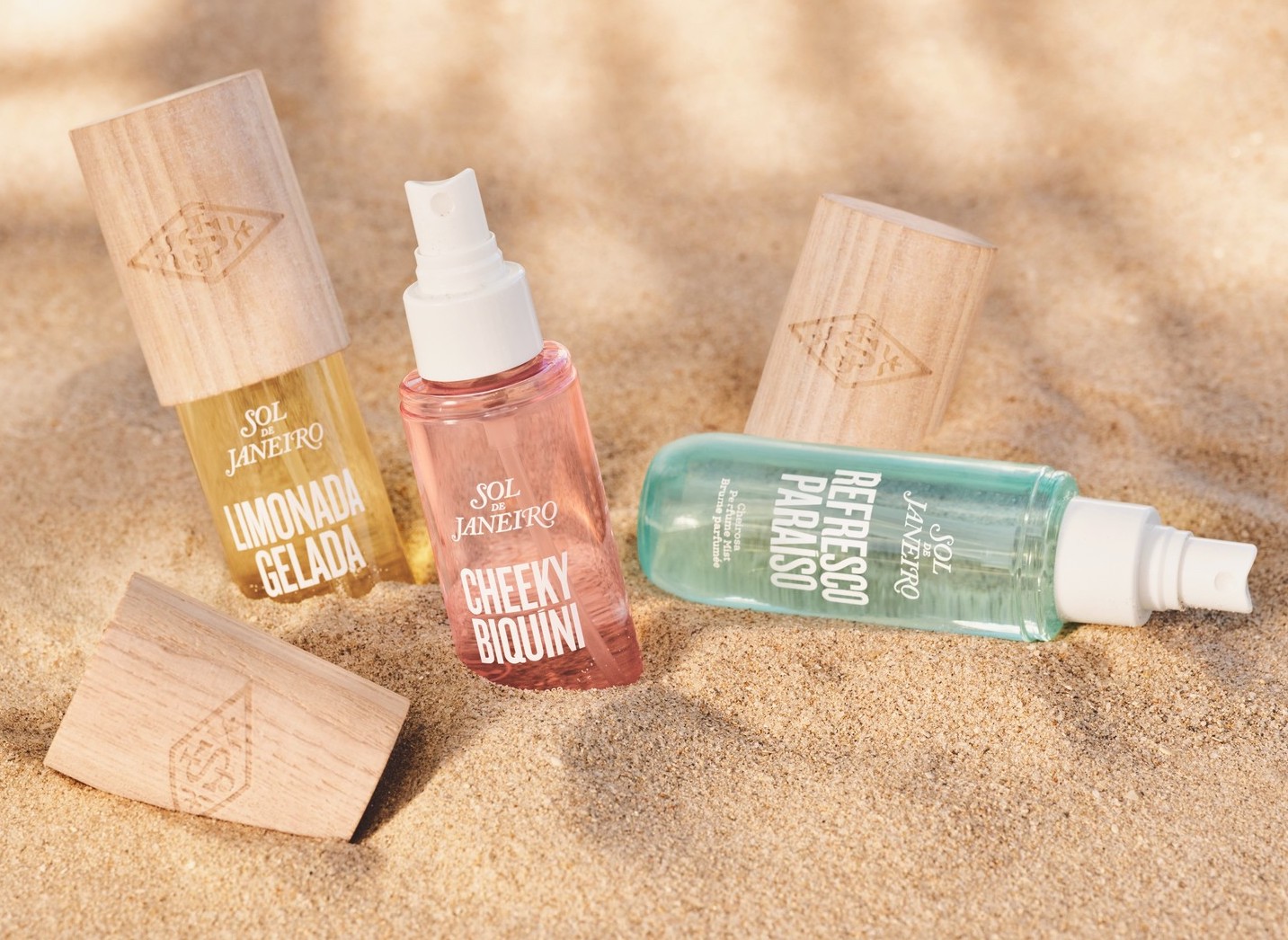
Wood is back in the beauty packaging conversation, and Sol de Janeiro just moved it from niche to mainstream.
Last week, the brand launched "The Destination Drop": three limited-edition perfume mists inspired by the beaches and rainforests of Brazil. The formula is classic Sol de Janeiro. The packaging isn't. For the first time, the brand topped their signature round-bottom bottles with natural ash wood caps, marketed as "Collectible Caps for your Shelfies." Each lid is laser engraved and hand-finished individually, meaning no two caps are identical. The result is packaging that reads premium, tactile, and genuinely collectible. Designed to be kept and swapped across whichever mist you reach for, they function more like accessories than closures. That distinction matters more than it might seem.
Source: Sol de Janeiro
The Search Data Backs It Up
This isn't just one brand making an aesthetic call. Brands and buyers are actively looking for wood cosmetic packaging.
We aggregated Google search data across 177 wood-related packaging terms and found searches grew 18% in 2025. The fastest-growing terms are concentrated in caps and closures: wooden cap bottle at +105%, wooden cosmetic jar lids at +95%, and wood perfume cap at +63%.
The interest is real and accelerating. Sol de Janeiro isn't ahead of a trend — they're joining one that's been building quietly for two years.
Sourcing wood packaging components?
Browse wood packaging on Impacked →
Wood Has Always Had a Place in Luxury Fragrance
The material isn't new to perfume. It's been the signature of heritage houses for decades. What's changed is who's picking it up and why.
Guerlain Habit Rouge has long used wood as a packaging anchor, the warm rounded cap functioning as a physical extension of the fragrance's character. It works because the material matches the promise: natural, considered, timeless. The cap isn't decoration. It's communication.
Bottega Veneta's Mezzanotte Collection brings wood into a more contemporary luxury frame, with FSC-certified custom-shaped caps that carry the brand's commitment to craft and material sourcing directly into the packaging. For a house built on artisanal credibility, wood isn't just a sustainable choice. It's an on-brand one.
Both cases point to the same logic: wood earns trust. It reads premium and natural without needing to say either.
Why Wood Works for Beauty Packaging
Aesthetics that plastic can't replicate
Grain, weight, warmth — these are sensory cues that signal quality before a consumer reads a word of copy. Sol de Janeiro's "shelfie" positioning is smart because it's honest: wood caps don't get hidden, they get displayed. That's organic brand presence without ad spend. Custom wood packaging also opens up a differentiation range that plastic struggles to match, spanning wood species, grain direction, finish, paint and engraving. The resulting cap can be distinctly yours in a way a colored plastic cap rarely manages.

The sustainability case, with nuance
Wood is bio-based and supports a plastic reduction story on pack, but the full picture is more specific than "wood equals sustainable." The liner problem is worth flagging: most wood caps use a plastic inner liner to achieve a proper closure, and that detail quietly undermines the material story. The innovation solving for this is already here, covered in the supplier section below.
Is wood packaging recyclable?
Most municipal recycling facilities aren't set up to process wood, and untreated wood can compost but that's rare for cosmetic packaging components in practice. The more honest comparison is this: most plastic perfume caps are too small to be recycled through standard programs anyway. Wood paired with glass may actually produce a better end-of-life outcome than plastic paired with glass, particularly when brands build in take-back infrastructure. Sol de Janeiro's on-pack messaging takes this seriously, directing consumers to the nearest Pact Collective drop-off bin with a DIY reuse suggestion for the bottle itself.
The Suppliers Solving Wood Packaging's Biggest Challenges
Supplier activity is one of the clearest indicators of where a trend is heading. Across closures, caps and full-format components, the infrastructure around wood packaging is building fast.
Quadpack BeautyWood 2026
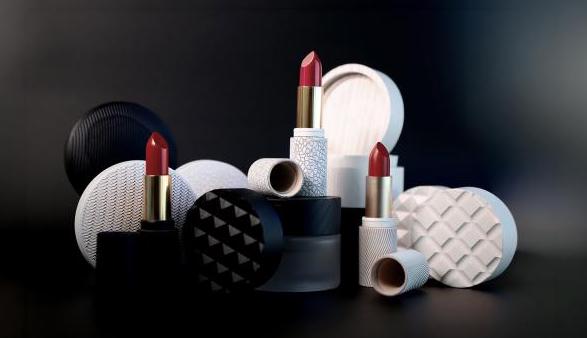
Quadpack's BeautyWood 2026 collection covers refillable jars, lipsticks and compacts built with Woodacity mono-material closure systems, designed to function without plastic or secondary materials. Every piece is made from 100% ash or maple wood sourced from sustainably managed European forests, with a low-emission factory using modern carving techniques to minimize material waste and repurpose production scrap as fuel. The collection focuses on tactile finishes and ergonomic design, with components built for natural handling.
mPackting WoodPin™
mPackting's WoodPin™ solves the liner problem directly. The cap is FSC-certified wood with cork pins replacing the traditional plastic capsule, creating strong friction for a perfect closure. It's 100% natural with no plastic, resin or glue — mono-material from the outside in, designed specifically for luxury applications.
mPackting WoodRing™
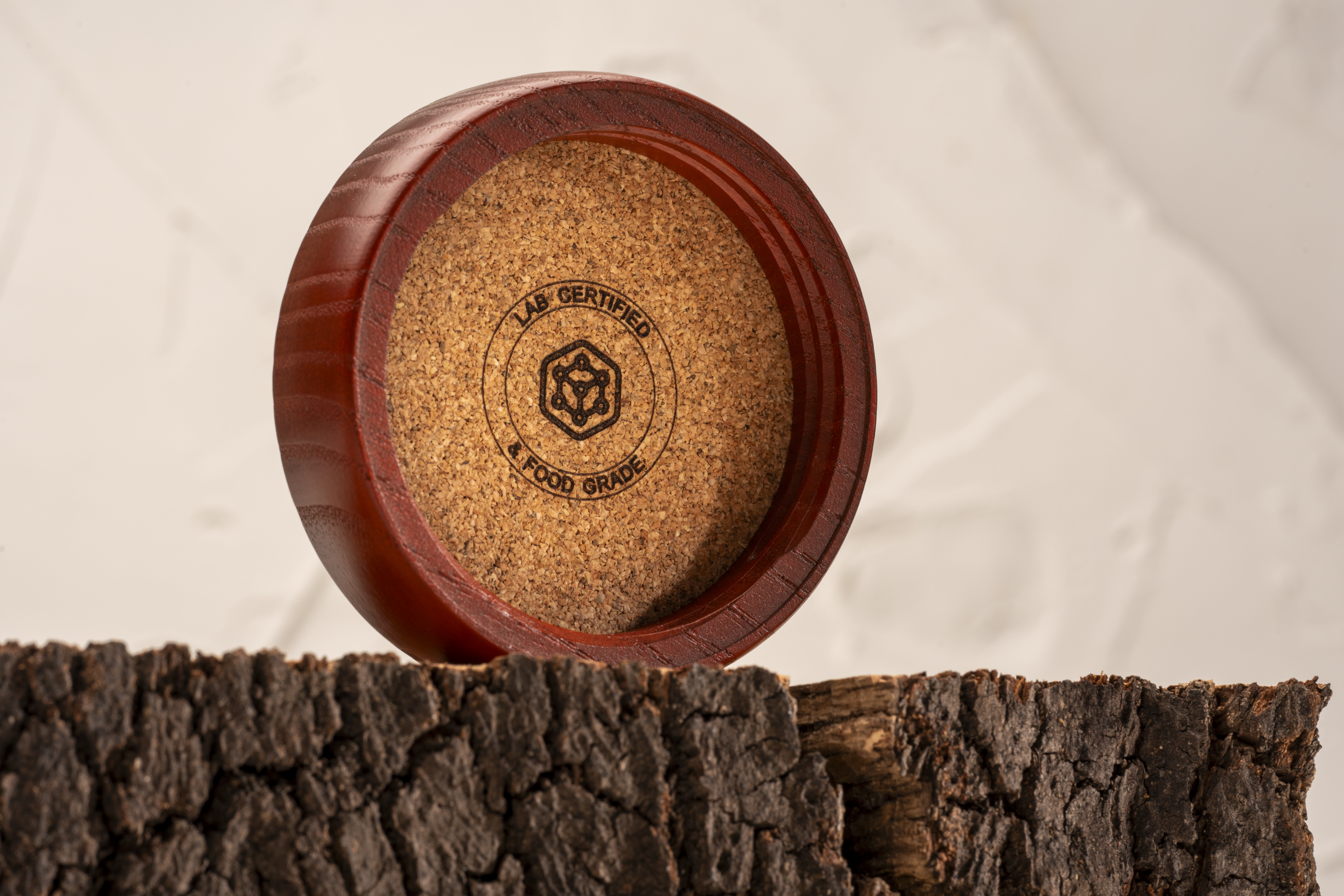
mPackting's WoodRing™ takes a different approach: a patented screw-cap with threads carved directly into the wood, removing the need for any insert. It delivers strong grip designed for repeated use and is compatible with jars, containers and threaded packaging across a full range of size, shape, wood species and finish options. The ideal solution for premium skincare, candles and high-value care products.
mPackting mBlack™
mBlack™ goes further than a cap innovation. It's a 100% bio-based, compostable material made from upcycled wood waste that acts as a carbon sink, absorbing and storing carbon dioxide over the long term. Durable and moldable, it replaces traditional plastics across multiple packaging applications.
When three suppliers spanning closures, full formats and material science are all solving for wood simultaneously, that's not coincidence. The category is building the infrastructure brands need to move quickly.
Source wood cosmetic packaging components
Browse all →
Monomaterial Wood 13-FEA WOODPIN ™ Ball Overcap
See full specs →
1.0oz/30ml Glass Skin-Up Pump Bottle with Woodacity® Cap
See full specs →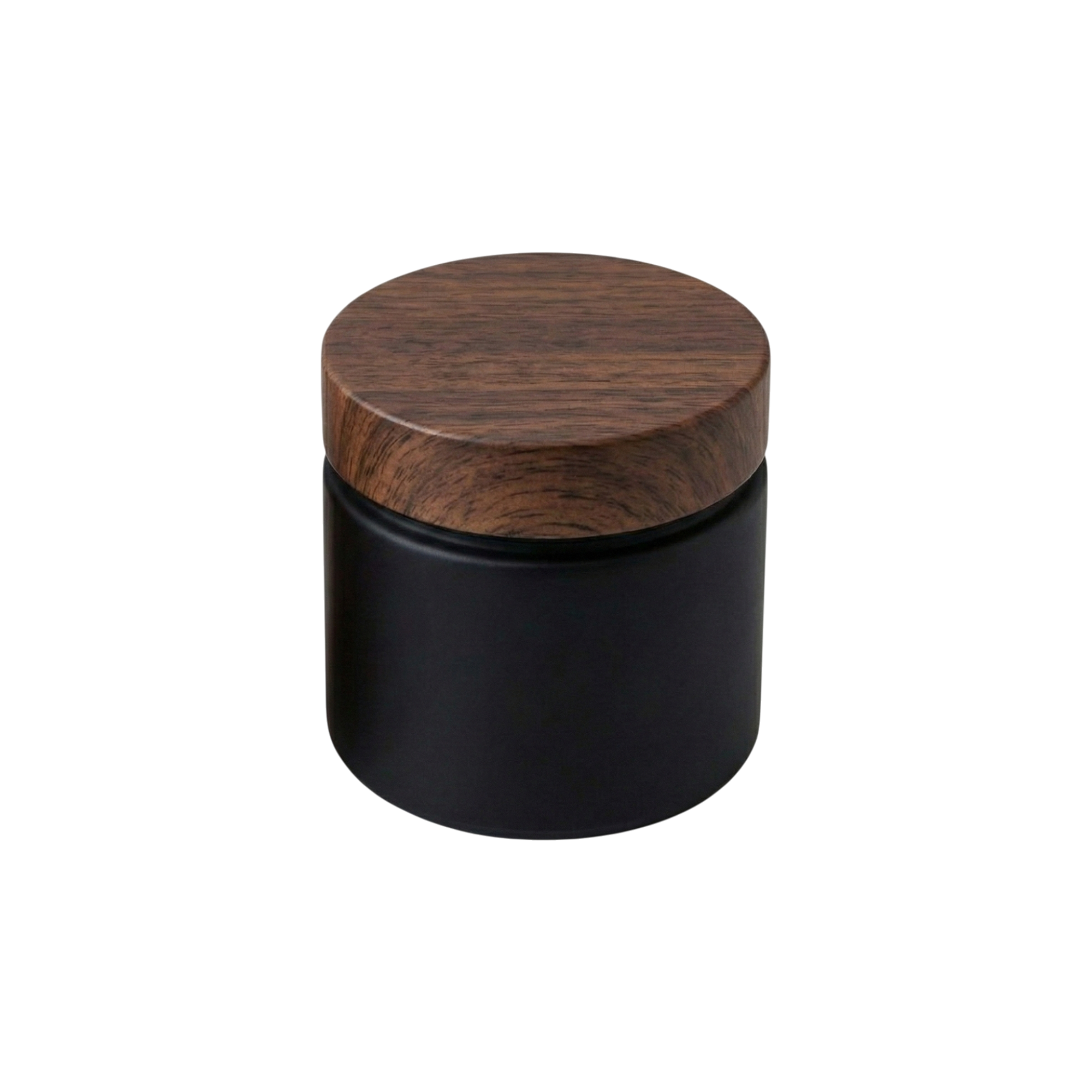
Monomaterial Wood 38-400 CORDISK Threaded Closure with Cork Sealing Disc
See full specs →
Monomaterial Wood 89-400 WOODRING ™ Threaded Closure
See full specs →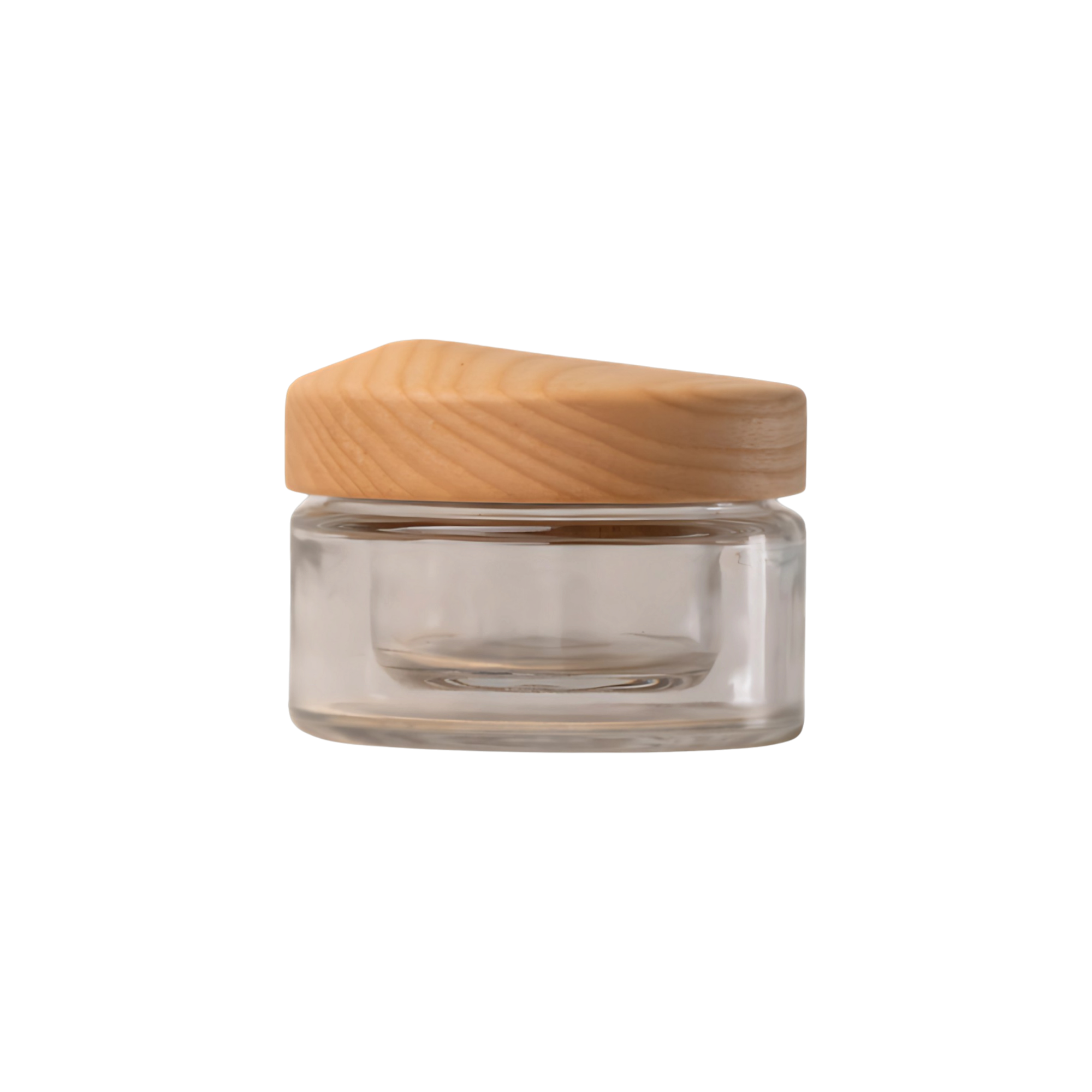
Monomaterial Wood 53-400 WOODRING ™ Threaded Closure
See full specs →
Monomaterial Wood 33-400 WOODRING ™ Threaded Closure
See full specs →
15-FEA Square Cork Cap
See full specs →What This Means for Brands Considering Wood
Sol de Janeiro's Destination Drop illustrates the full opportunity clearly. A limited-edition launch, a first-time use of the material, positioned around collectibility and shelf display — the result is packaging that earns attention, generates content and raises perceived value before the consumer opens the bottle.
Wood isn't the right call for every format or price point, but for brands in fragrance, premium skincare and candles, categories where the cap is already part of the consumer experience, the case for wooden caps has never been better supported. The search demand is there. The supplier infrastructure is there. The luxury houses have been proving the material works for decades.
The material has always worked. What's new is that the supply chain finally makes it viable beyond luxury brands alone.
Sourcing wood packaging for your next launch? Let's talk.