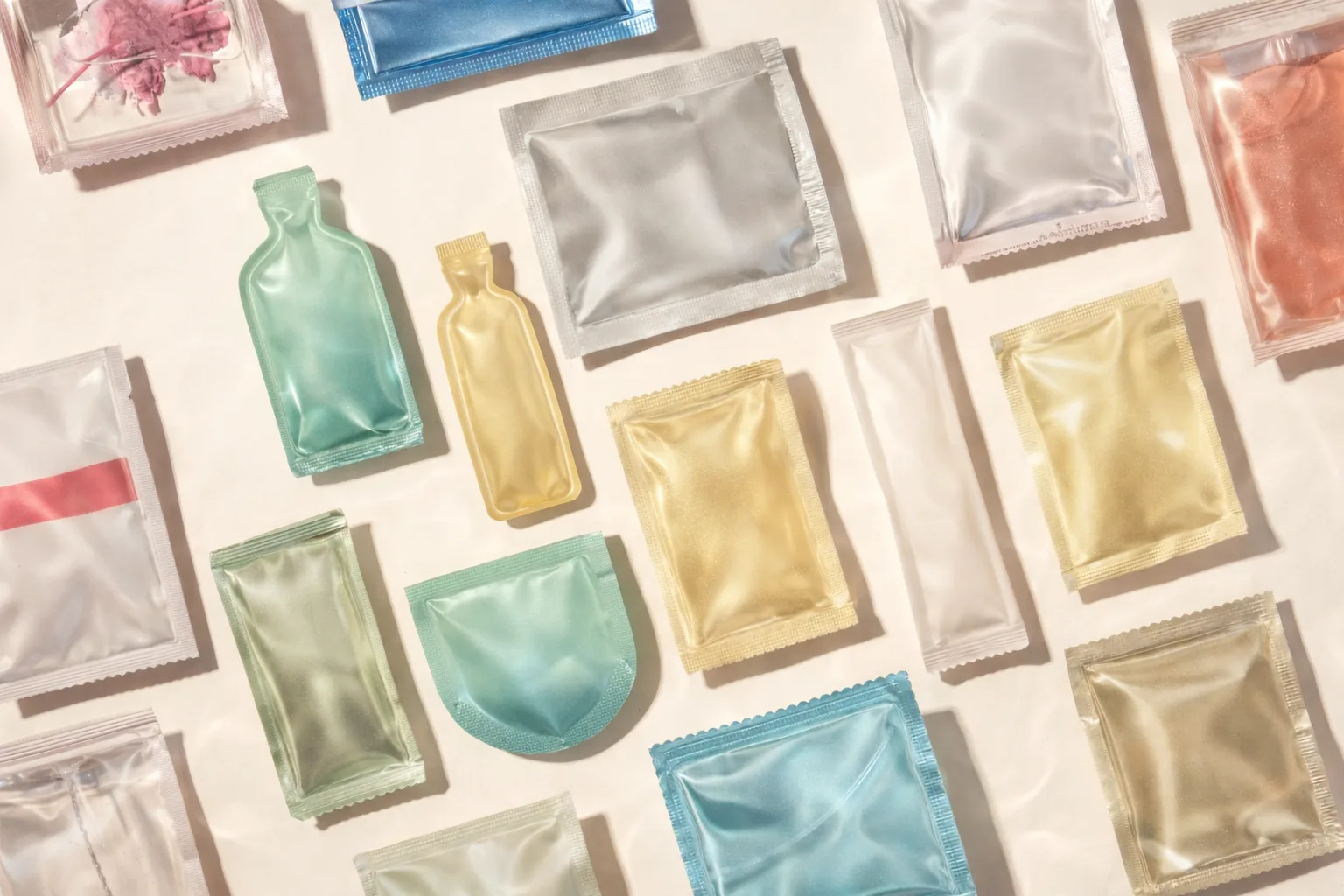
Sachet packaging has become the go-to format for beauty brands looking to scale sampling programs, launch travel-friendly SKUs, and create single-dose formats that convert trial into purchase. At Impacked, we've helped hundreds of brands navigate custom sachet packaging decisions, connecting them with vetted suppliers across the US and globally.
Whether you're sourcing cosmetic sample packaging for subscription boxes, paper sachet packaging for sustainability-focused launches, or snap sachets for premium on-the-go formats, this guide draws on our experience working with leading sachet manufacturers to help you make informed decisions on format selection, materials, customization, MOQs, and supplier evaluation.
Why Brands Choose Sachet Packaging
The business case for sachet packaging is straightforward: sampling drives conversion. Studies consistently show that 60-70% of consumers who try a sample go on to purchase the full-size product. Sachets are the most economical format to execute sampling at scale, whether through subscription boxes, retail giveaways, e-commerce inserts, or event activations.

Beyond sampling, sachets solve real consumer problems. Single-dose formats mean precise application without waste, hygienic dispensing without contamination, and portability that fits modern lifestyles. For travel, sachets fall well under TSA liquid limits, making them ideal for skincare routines on the go.
From a brand positioning perspective, sachets signal accessibility without diluting premium perception. A luxury serum sample in an elegantly printed sachet introduces new customers to your brand at a fraction of the full-size investment. The format creates low-risk trial opportunities that build the confidence consumers need before committing to premium price points.
Worth noting: sachets also reduce per-application material usage compared to bottles or jars. For brands building sustainability narratives, the material efficiency story is worth considering alongside recyclability.
Types of Sachet Packaging
Single Sachets
Classic single sachets are the workhorse of cosmetic sample packaging. Flat, pillow-style construction with a tear notch for easy opening. Fill ranges typically run 3ml to 15ml, covering everything from single-use serum applications to shampoo samples. The format is cost-effective, widely available, and compatible with most liquid and cream formulations.
Single sachets are ideal for subscription box inserts, GWP (gift with purchase) programs, and retail sampling. Browse single sachets.

Tandem Sachets
Tandem sachets connect multiple chambers in a single unit, typically two to five pouches joined together. The format is perfect for multi-step regimens: shampoo paired with conditioner, day cream paired with night cream, or a complete skincare routine in one perforated strip.
Tandem formats increase perceived value for sampling kits and reinforce usage instructions by physically connecting products in the order they should be applied. They're particularly effective for haircare and skincare routine sampling. Browse tandem sachets.

Stick Sachets
Stick sachets, also called stick packs, feature an elongated tubular format rather than the flat pillow shape. The narrow design offers more controlled dispensing, making stick packs ideal for powders, granules, and viscous products that benefit from directional flow.
In beauty, stick packs are common for dry shampoo powders, cosmetic powders, bath salts, and supplements. The format also works well for viscous serums and oils where controlled dosing matters. Browse stick sachets.

Custom Die-Cut Sachets
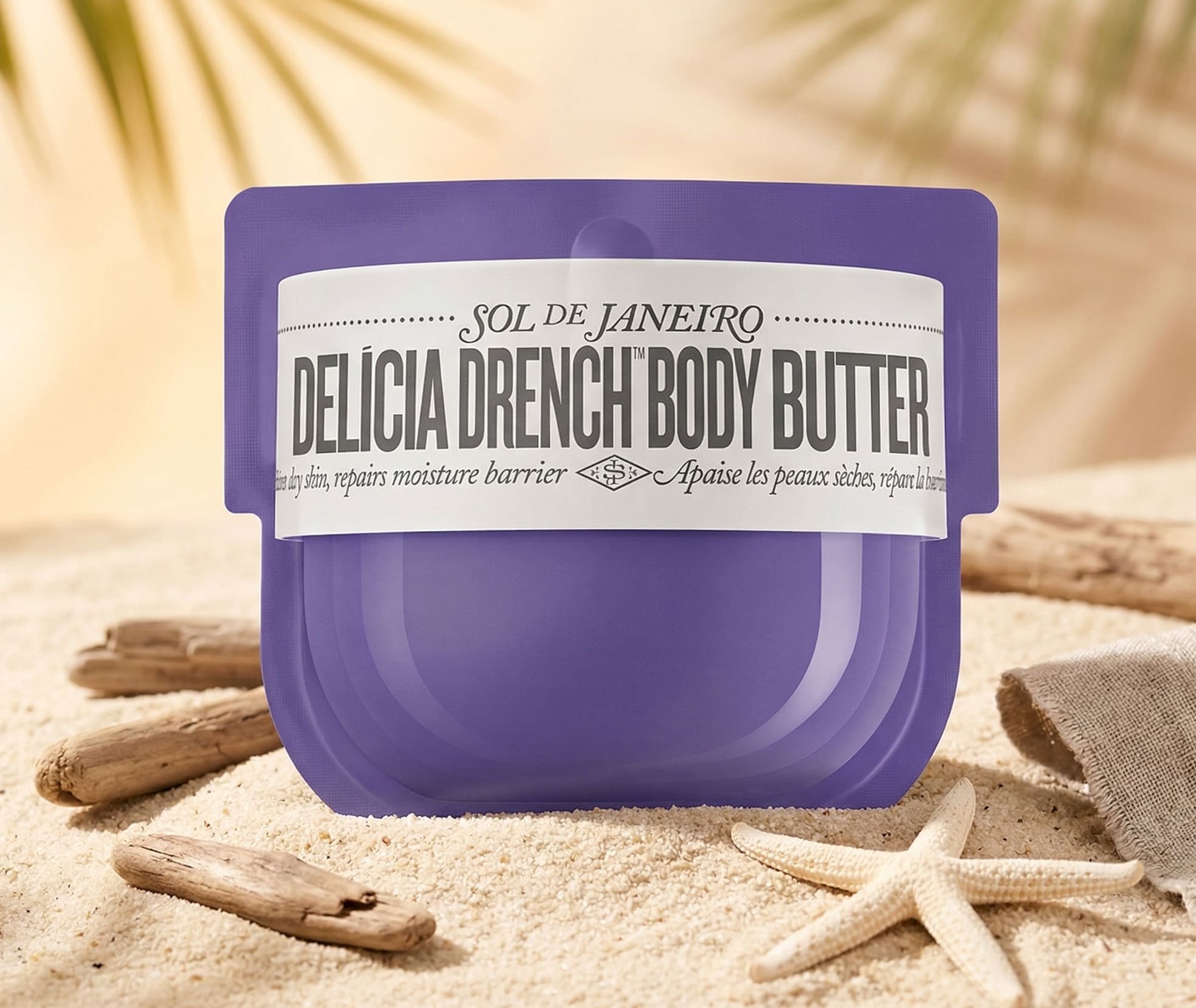
Custom die-cut sachets break from standard rectangular shapes to create brand-specific silhouettes. Die-cut sachets can mimic your bottle shape, feature your brand mascot, or take any custom form that reinforces brand recognition.
The visual impact is significant. Die-cut sachets stand out in subscription boxes and sampling programs where dozens of standard sachets compete for attention. The format is also highly shareable on social media.
The trade-off: custom die-cut shapes require tooling investment (typically starting in the single-digit thousands depending on complexity) and higher MOQs, typically starting at 75,000 units. For brands with the volume to justify it, die-cut sachets become a signature brand asset. Browse custom die-cut sachets.
Snap Sachets
Snap sachets, also called snap-and-squeeze sachets, feature patented one-hand opening technology. Unlike tear-notch sachets, snap sachets open with a simple fold-and-snap motion, allowing users to dispense product cleanly without tearing or spilling.
The format offers accessibility benefits for elderly users or those with limited dexterity, dispenses up to 98% of product with minimal waste, and creates a premium user experience that differentiates from standard sachet formats. More on this technology in the dedicated section below.
Sachet Packaging Materials
PE (Polyethylene) Sachets
PE sachets are the most common and cost-effective option. Polyethylene provides good moisture barrier properties, flexibility, and compatibility with most cosmetic formulations. PE is the default choice for brands prioritizing cost efficiency and broad supplier availability.
For brands with sustainability goals, PE sachets can be produced as mono-material structures that are recyclable with plastic film recycling streams. Browse PE sachets.
PP (Polypropylene) Sachets
PP sachets offer higher heat resistance and better clarity than PE. The improved transparency makes PP a good choice when product visibility matters, such as for colored formulations or products where texture is a visual selling point.
PP also has a slightly stiffer feel than PE, which some brands prefer for perceived quality. Browse PP sachets.
Paper Sachets
Paper-based sachets are growing rapidly as brands seek alternatives to all-plastic packaging. Modern paper sachets use structures with 80% or more paper content, with thin barrier coatings to protect the product.
Paper sachets can enter paper recycling streams in most municipalities, offering a cleaner sustainability story than multi-layer plastic films. The format also delivers a premium tactile experience that aligns with natural and clean beauty positioning.
Trade-offs: paper sachets typically have shorter shelf life for moisture-sensitive products and may cost more than standard PE options.
Multi-Laminate Films
Multi-laminate structures combine multiple material layers to achieve specific barrier properties. For formulas with light-sensitive or oxygen-sensitive actives like Vitamin C and retinol, laminate films with aluminum or EVOH barrier layers extend shelf life significantly.
The trade-off is recyclability: multi-layer films are difficult to recycle through standard streams. If your formula requires high-barrier protection, be transparent about the sustainability implications.

Recyclable and PCR Options
For brands prioritizing recyclability, two paths exist:
Mono-material PE or PP creates sachets from a single polymer type, making them compatible with plastic film recycling..
PCR (post-consumer recycled) content incorporates recycled plastic into the film structure, reducing virgin material usage. Browse PCR sachets.
How Sachets Are Made
Understanding sachet manufacturing helps explain lead times, MOQ requirements, and quality considerations.
Film preparation: Sachet production starts with roll stock, continuous rolls of film material that may be single-layer or laminated from multiple layers. Film is either purchased pre-printed or printed in-house using flexographic or rotogravure processes.
Form-fill-seal (FFS): The dominant sachet manufacturing method is form-fill-seal, where film is formed into a pouch shape, filled with product, and sealed in one continuous operation. FFS machines run at high speeds, producing thousands of sachets per hour.
Two FFS configurations exist:
- Vertical form-fill-seal (VFFS): Film travels vertically, forming a tube that's filled and sealed. Common for stick packs and sachets with free-flowing contents.
- Horizontal form-fill-seal (HFFS): Film travels horizontally through the machine. Preferred for viscous products and formats requiring precise fill placement.

Die-cutting: For custom shapes, an additional die-cutting step cuts the filled sachet to the specified silhouette. This requires custom tooling and adds to lead time and cost.
Quality inspection: Finished sachets undergo seal integrity testing, leak detection, and visual inspection before packaging for shipment.
This production method explains why MOQs for sachets tend to be higher than for rigid packaging: FFS equipment requires setup time and material changeover, making small batches inefficient. Production runs need sufficient volume to amortize setup costs.
Snap Sachet Technology
Snap sachets represent a significant innovation in single-dose packaging. The patented Easysnap® technology, available in the USA exclusively through Synchpack, delivers a fundamentally different dispensing experience.
How It Works
The "Fold. Snap! Squeeze." mechanism uses a patented break-line built into the sachet structure. Users fold the sachet to approximately 90 degrees along the break line, which cleanly opens the dispensing channel. From there, gentle squeezing dispenses the product with precision.
No tearing, no searching for a notch, no product on your fingers during opening. The one-hand operation works whether you're applying sunscreen at the beach, moisturizer on an airplane, or serum at the gym.
Key Benefits
Accessibility: The one-hand opening is a genuine accessibility feature. Elderly users, those with arthritis, or anyone with limited dexterity can operate snap sachets where tear-notch formats would be challenging.
Product evacuation: Snap sachets achieve approximately 98% product evacuation, significantly higher than traditional tear-open formats. Less waste means better value for consumers and reduced product loss.
Premium positioning: The distinctive opening mechanism creates a memorable unboxing moment. For sampling programs and travel formats, snap sachets differentiate your brand from standard sachet formats.
Available Formats
Synchpack offers seven standard Easysnap® sizes ranging from 0.5mL to 20mL, covering applications from single-dose serums to generous sunscreen applications. Custom sizes are available for larger volume commitments.
Customization Options
Printing and Decoration
Flexographic printing is the most common and cost-effective method for sachet decoration. Flexo delivers consistent quality at high speeds and handles solid colors and simple graphics well. Most sachets in the market use flexographic printing.
Rotogravure printing offers higher resolution for photo-realistic images and detailed graphics. The quality difference is noticeable for premium brands, though rotogravure requires higher print volumes to justify plate costs.
Digital printing enables short runs and variable data printing. For limited editions, personalization, or test runs, digital offers flexibility that traditional methods can't match. MOQs can be significantly lower.
Hot stamping and foil add metallic accents for luxury positioning. Foil elements catch light and signal premium quality, though they add cost and may affect recyclability.
Custom Die-Cut Shapes
Moving beyond standard rectangular sachets requires custom tooling. The process involves:
- Design approval: Finalize the shape, ensuring it's manufacturable and will seal properly
- Tooling production: 4-6 weeks for die creation
- Sample approval: Review pre-production samples before committing to full production
Tooling costs range from typically starting in the single-digit thousands depending on complexity. MOQs for die-cut sachets typically start at 75,000 units to justify the tooling investment. Browse custom die-cut sachets.
Size and Fill Customization
Standard sachet fill volumes range from 3ml to 30ml, though custom sizes are available. When specifying fill volume, consider:
- Single application needs: How much product does one use require?
- Multi-use flexibility: Should the sachet cover multiple applications?
- Travel compliance: TSA limits liquids to 3.4oz (100ml) per container
Sachet Packaging by Use Case
Cosmetics and Color
Foundation samples, primer packets, and color cosmetic sachets require careful attention to formula separation and film compatibility. Multi-pigment formulas may settle over time, and some formulations can react with certain film materials.
Die-cut shapes that echo your bottle silhouette work particularly well for color cosmetics, creating visual continuity between sample and full-size product.
Skincare and Serums
Skincare sampling is a natural fit for sachets. Consider tandem packs for multi-step routines: cleanser plus serum plus moisturizer in a perforated strip reinforces proper usage order.
For active-heavy formulas with Vitamin C, retinol, or other oxygen-sensitive ingredients, specify appropriate barrier films. Aluminum laminate or high-barrier coatings protect formula integrity through shelf life.
Haircare
Shampoo and conditioner tandem sachets are among the most common sachet applications. The format is proven for salon sampling, subscription boxes, and hotel amenities.
Scalp treatments and hair masks also work well in single-dose sachets, ensuring consumers use the right amount per application.
Sunscreen and SPF
Sunscreen sachets solve a real consumer problem: reapplication on the go. Snap sachets are particularly well-suited for sunscreen, enabling one-hand application at the beach, pool, or outdoor event.
Single-dose sachets also ensure consumers apply enough product. Dermatologists recommend a shot glass amount for full-body coverage, a quantity that's difficult to judge from a squeeze bottle.
Fragrance
While scent strips remain common for fragrance sampling, liquid sachets offer a more representative experience. A 1-2ml sachet contains enough for multiple applications, letting consumers live with the fragrance before committing.
Sustainability and Sachets
Sustainability and single-use packaging exist in tension, and sachets require honest discussion rather than greenwashing.
The Challenge
Traditional sachets face two sustainability hurdles:
Material composition: Multi-layer films with different polymers or aluminum barriers are difficult to recycle. Standard recycling facilities can't separate the layers for reprocessing.
Size: Small formats often fall through sorting equipment at recycling facilities. Even recyclable materials may end up in landfill simply because the infrastructure can't capture them.
These are real limitations. Brands making sustainability claims about sachets should understand and communicate them accurately.
Sustainable Options
Despite challenges, more sustainable sachet options exist:
Mono-material PE or PP: Single-polymer structures can be recycled with plastic film recycling programs. Many grocery stores collect plastic films; check local availability..
Paper-based sachets: Structures with 80%+ paper content can enter paper recycling streams. Paper sachets also reduce plastic usage significantly and align with consumer preferences for paper over plastic. Xela Pack specializes in paper-based sachet formats.
PCR content: Incorporating post-consumer recycled plastic reduces virgin material demand. Browse PCR sachets.
The Material Efficiency Argument
Sachets use significantly less material per application than rigid packaging. A sachet delivering a single serum dose uses a fraction of the plastic in a dropper bottle that provides 30 doses. When consumers only need trial sizes or single applications, sachets can actually reduce total material consumption.
Flexible packaging like sachets typically uses 75% less plastic than rigid alternatives for equivalent product volume. Combined with 99%+ product evacuation rates, sachets minimize both packaging and product waste.
Sourcing Sachet Packaging
Turnkey vs. Component Sourcing
Unlike rigid packaging where you might source empty bottles and fill separately, most sachet suppliers operate as contract fillers. They provide the packaging material and fill your product in one integrated operation.
This turnkey model offers advantages: single point of contact, guaranteed film-formula compatibility, and simplified logistics. The supplier manages film sourcing, printing, filling, and quality control.
Key Suppliers
Synchpack (Maple Grove, Minnesota) is the exclusive US supplier of patented Easysnap® snap sachet technology. For brands seeking the premium snap-and-squeeze format, Synchpack is the starting point. FDA-registered and GMP-approved facilities.
Expack (Fairlawn, New Jersey) offers turnkey flexible packaging with over 15 years of experience and 400+ million units annual capacity. Their UniFlat and UniStick formats cover standard sachet needs. Notable for sustainability focus: PCR materials at price parity for samples under 15ml, and US facilities run entirely on renewable energy.
Identipak (Texas) specializes in classic sachets, stick packs, tandem sachets, and custom die-cut formats. Strong capabilities across standard and custom sachet configurations.
Compare all sachet packaging suppliers
MOQ Considerations
Sachet MOQs typically range from 10,000 to 100,000+ units depending on supplier and customization level.
Why MOQs are higher for sachets: Form-fill-seal equipment requires setup time and film material minimums for each production run. Unlike injection molding where you might run small batches, FFS machines need sufficient volume to amortize changeover costs. The continuous-run nature of sachet production favors larger quantities.
Flexibility exists: Some suppliers like Expack can accommodate lower MOQs for a minimum setup fee, making sachets accessible for emerging brands and pilot programs. Ask about small-batch options if your volumes don't yet justify standard minimums.
What to Ask Suppliers
- Fill compatibility: Is my formula compatible with your film options?
- Stability testing: Can you conduct accelerated shelf-life testing?
- Lead times: Standard production runs 6-10 weeks; what's your current capacity?
- Decoration capabilities: What printing methods and finishes are available?
- Sample program: Can I get samples before committing to production?
For more guidance on evaluating flexible packaging options, see our article on how to find the right flexible packaging.
Quality Control
Seal Integrity
The seal is the critical quality point for sachets. Failed seals mean leaking product, contaminated contents, and customer complaints. Reputable suppliers conduct seal integrity testing on every production run.
Burst testing applies pressure until the seal fails, measuring seal strength.
Vacuum testing checks for leaks by submerging sachets in water under vacuum.
Specify acceptable seal strength ranges in your supplier agreement before production begins.
Print Quality
Print registration tolerances matter for brand presentation. Misaligned printing looks unprofessional and can affect barcode readability. Standard tolerances are typically ±1mm; tighter tolerances are available at premium pricing.
Fill Accuracy
Overfilling wastes product; underfilling disappoints customers and may violate labeling regulations. FFS machines can achieve ±2-3% fill accuracy on well-tuned runs. Specify fill tolerance requirements and verify they're met.
Certifications
For cosmetic sachets, look for:
- FDA registration: Required for facilities manufacturing cosmetic packaging in the US
- ISO 9001: Quality management system certification
- GMP compliance: Good Manufacturing Practice standards
Common Questions
What is the minimum order quantity (MOQ) for sachet packaging?
Sachet packaging MOQs typically range from 10,000 to 100,000+ units depending on the supplier and level of customization. MOQs tend to be higher for sachets than rigid packaging because form-fill-seal equipment requires setup time and film material minimums for each production run. However, some suppliers like Expack can accommodate lower quantities for a minimum setup fee, making sachets accessible for emerging brands and pilot programs.
What is the difference between a sachet and a stick pack?
Sachets are flat, pillow-style pouches typically used for liquids and creams, while stick packs are elongated tubular formats better suited for powders, granules, and controlled dispensing of viscous products. Stick packs offer more controlled flow during dispensing, making them popular for supplements, drink mixes, and cosmetic powders.
Are sachets recyclable?
Traditional multi-layer sachets face recycling challenges due to their composite film structure and small size. However, recycle-ready options exist including mono-material PE sachets that can be recycled with plastic films, and paper-based sachets with 80% or more paper content that can enter paper recycling streams. Always check local recycling guidelines and avoid making recyclability claims without verification.
What is a snap sachet?
A snap sachet, also called a snap-and-squeeze sachet, features a patented one-hand opening mechanism. Users fold the sachet at the break line and snap to open, then squeeze out the contents without tearing. This format offers superior accessibility for users with limited dexterity, dispenses up to 98% of product with minimal waste, and provides a premium user experience. Synchpack is the exclusive US supplier of Easysnap® snap sachet technology.
Can sachet packaging be customized with my brand design?
Yes, sachets offer extensive customization options. Standard customization includes full-color flexographic or rotogravure printing on the film surface. Premium options include custom die-cut shapes that mimic your product bottle or brand icon, which require tooling investment typically starting in the single-digit thousands and higher MOQs starting at 75,000 units. Hot stamping and foil finishes are also available for luxury positioning.
How long does it take to produce custom sachet packaging?
Standard sachet production takes 6 to 10 weeks from order confirmation for turnkey suppliers who fill and package your product. Custom die-cut sachets require an additional 4 to 6 weeks for tooling development. First-time orders may also require compatibility testing between your formula and the film structure, adding 2 to 4 weeks. Plan timelines accordingly for product launches.
For more answers, see our flexible packaging FAQ.
Ready to source sachet packaging?
Sachet decisions made at brief stage shape your sampling program, travel formats, and unit-dose offerings. Format, material, and decoration choices all lock in before production begins. The brands that get this right treat sachet sourcing as a strategic investment in customer acquisition and product trial.
Impacked's supplier network includes verified sachet manufacturers with confirmed MOQs and sample availability. Browse all sachets, single sachets, stick sachets, and custom die-cut sachets. For snap sachet technology, connect with Synchpack. Or reach out to the concierge team if you're working to a custom specification or need help shortlisting suppliers against a brief.