
Glass packaging is still the gold standard in beauty. Not because it's traditional, but because nothing else does what it does. It protects formulas, signals quality, and carries a sustainability story that holds up to scrutiny. For brands building at the premium tier, it's rarely a question of whether to use glass packaging. It's a question of which glass, how to spec it, and how to source it without blowing your timeline.
This guide covers everything you need to make confident glass packaging decisions: format selection, supplier evaluation, customization options, and quality sign-off.
Why Brands Choose Glass
The functional case is straightforward. Glass is chemically inert. It won't react with your formula, won't leach anything into it, and won't absorb fragrance compounds the way some plastics can. For high-actives skincare, facial oils, and fine fragrance, that stability over shelf life is non-negotiable.
The brand case is just as clear. Glass has weight. That heft communicates quality in a way that lightweight alternatives don't, and at premium price points, the physical experience of the packaging is part of what consumers are paying for.
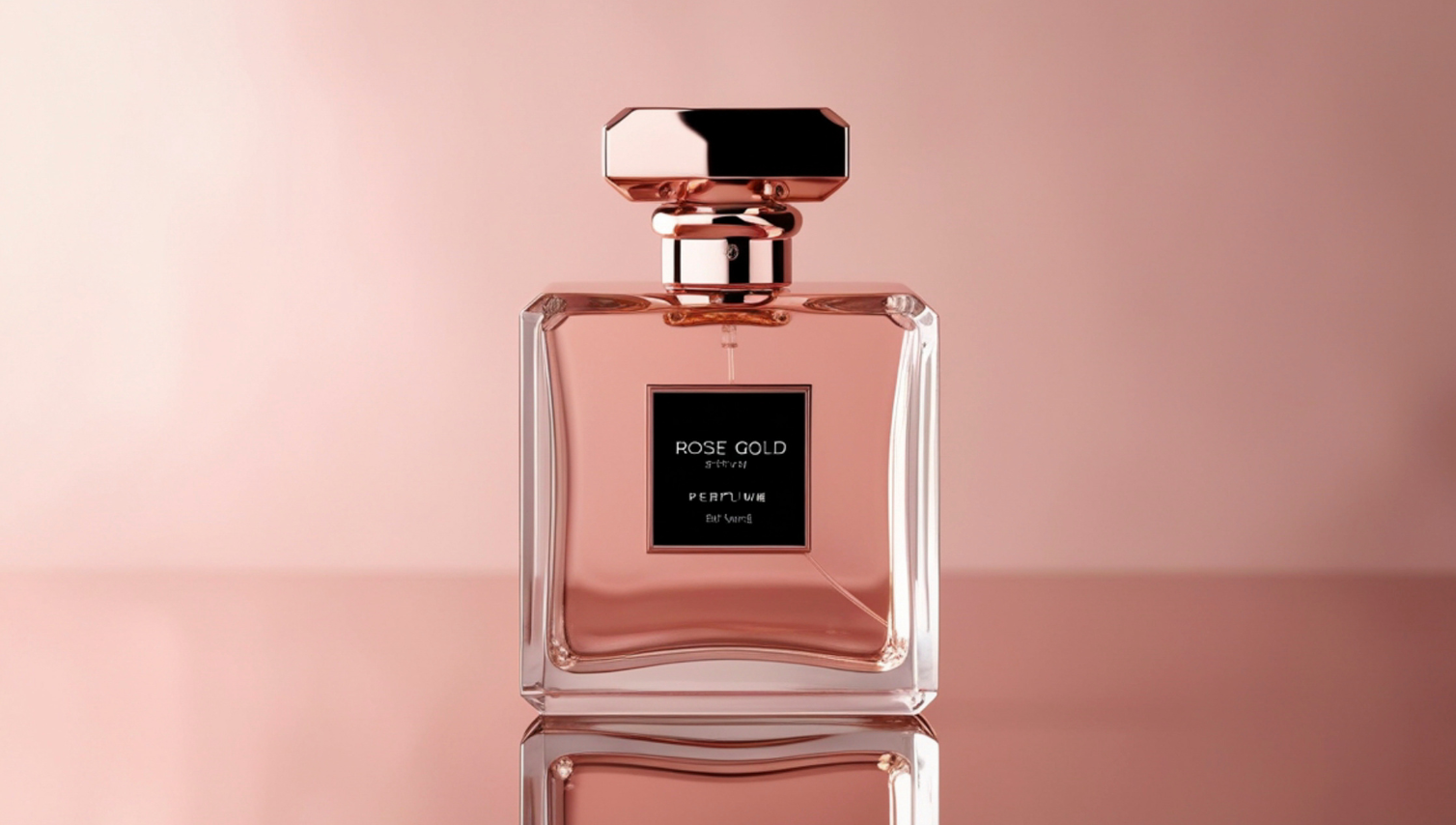
Glass vs. Plastic: When to Use Which
Glass wins on formula protection, premium perception, and recyclability. Plastic wins on weight, cost, and breakage risk.
Worth noting: thick-wall PET and PETG, often called glass-like plastics, can get surprisingly close to the premium look and feel of glass. For some formats and price points, the visual and tactile gap is smaller than it used to be. But brands pursuing a plastic-free ethos or building positioning around no-plastic claims will look to glass regardless. The material choice becomes part of the brand story, not just a packaging decision.
The call usually comes down to four variables: price point, formula requirements, distribution channel, and sustainability positioning. Most brands carry both across their portfolio. The key is making the decision deliberately at brief stage, not defaulting.
One watch-out: e-commerce changes the breakage calculus. Glass that performs fine in retail can create returns problems when shipping direct-to-consumer. If DTC is a significant channel, wall thickness and secondary packaging both need to factor into the decision.
Types of Glass Packaging
Glass Bottles
Fragrance and perfume bottles are the most design-driven format in the category. Heavy-base, thick-wall construction is standard at the luxury tier, where the weight is part of the experience. The spray atomizer is a separate component sourced and assembled independently, so treat the bottle and mechanism as two distinct decisions. For a deeper dive into why glass dominates luxury fragrance, see our guide to glass for luxury perfume bottles.
Serum and dropper bottles are the workhorse of prestige skincare. The narrow neck and dropper format reinforce clinical positioning and control dosing. Amber glass is standard for light-sensitive actives like retinol and vitamin C, as it filters UV in the range that degrades those ingredients. If your formula's color or texture is a visual asset, flint (clear) glass shows it off. Browse glass dropper bottles.
Glass packaging in the market
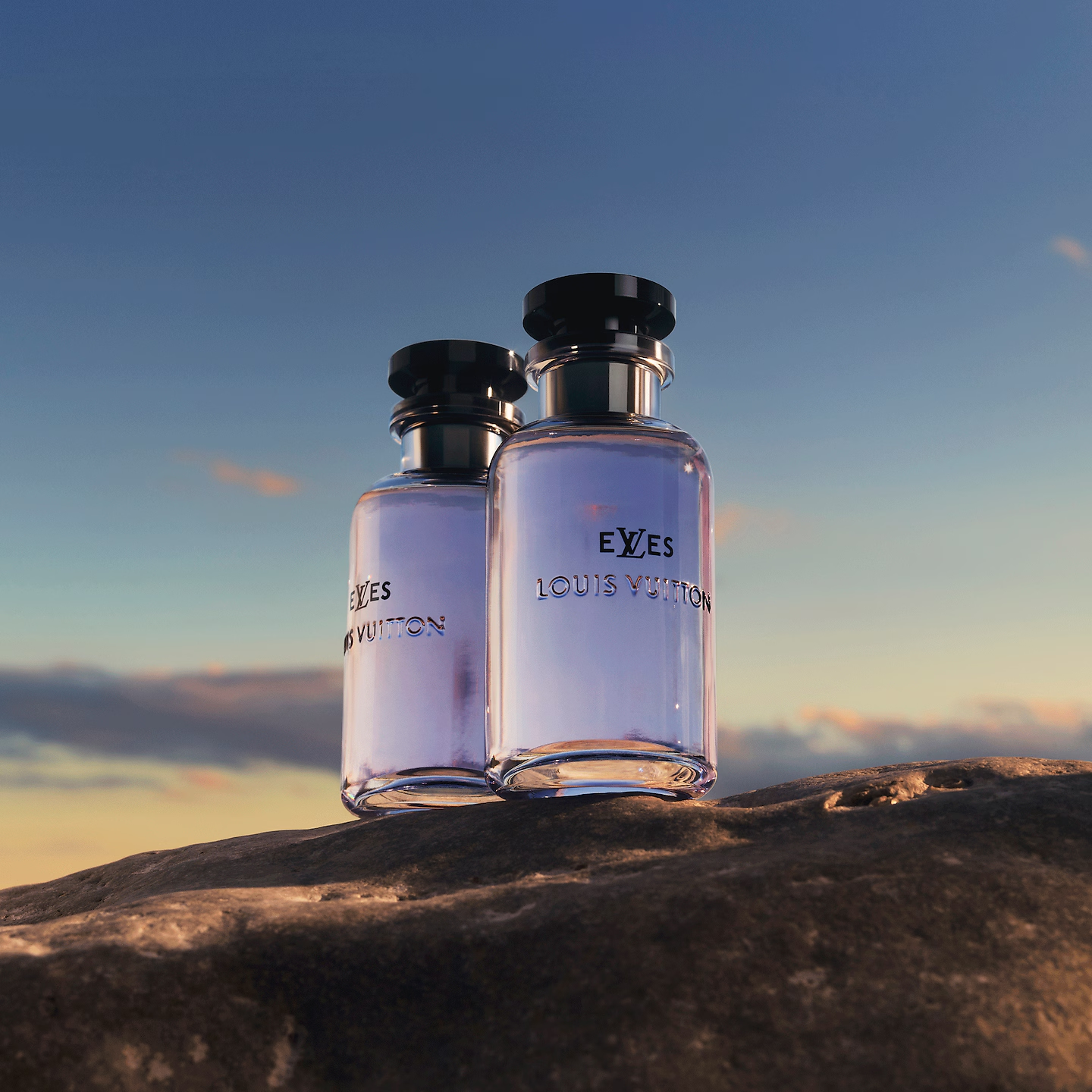
Louis Vuitton Les Extraits fragrance bottle
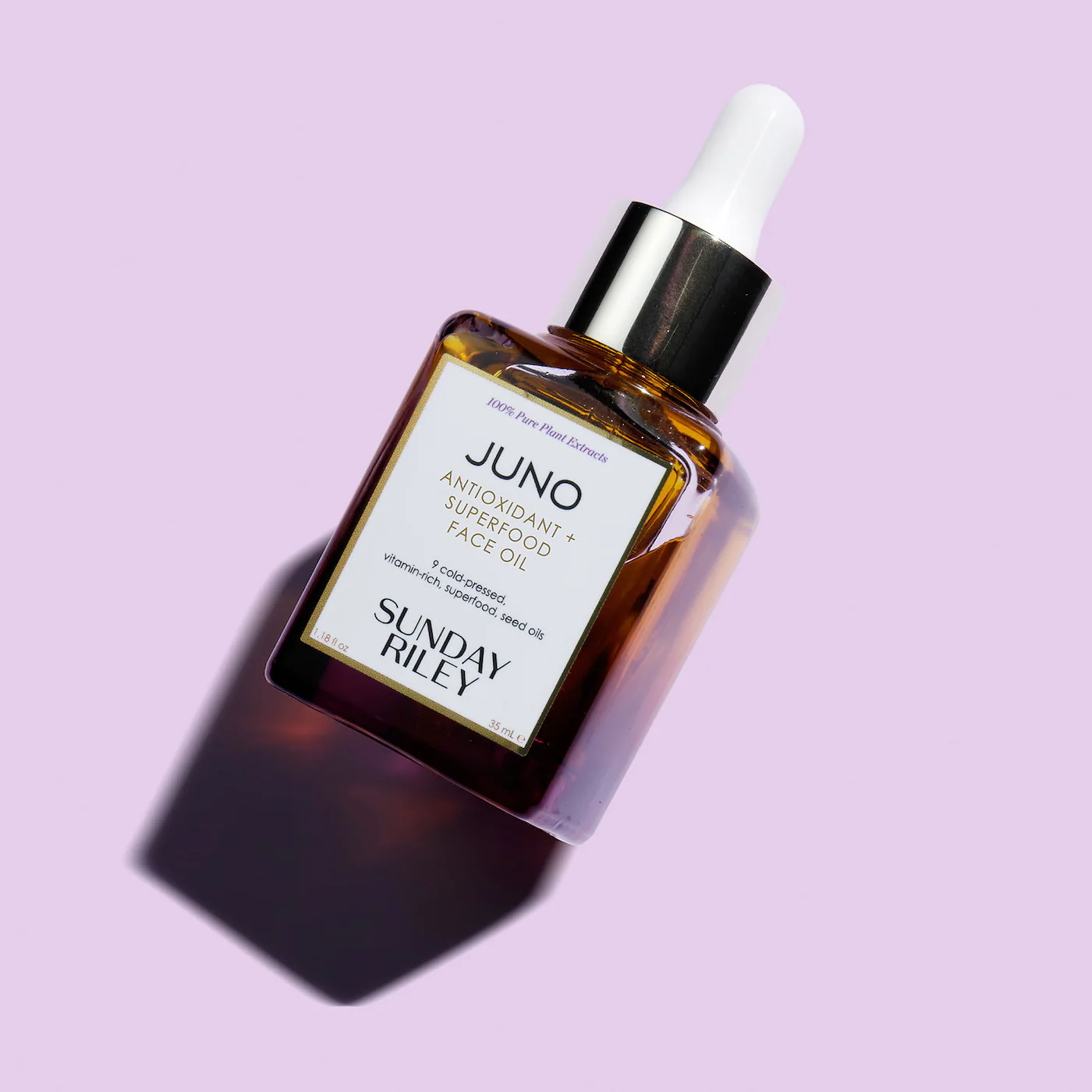
Sunday Riley JUNO glass face oil dropper bottle
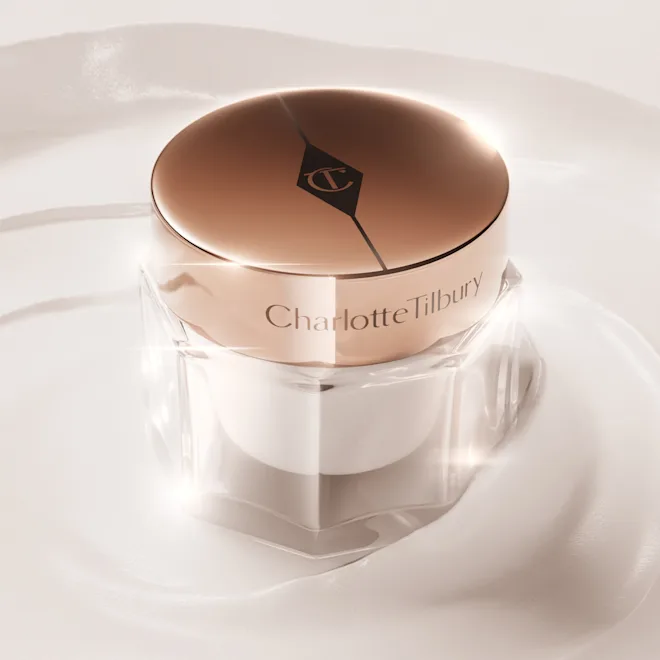
Charlotte Tilbury Magic Cream glass jar
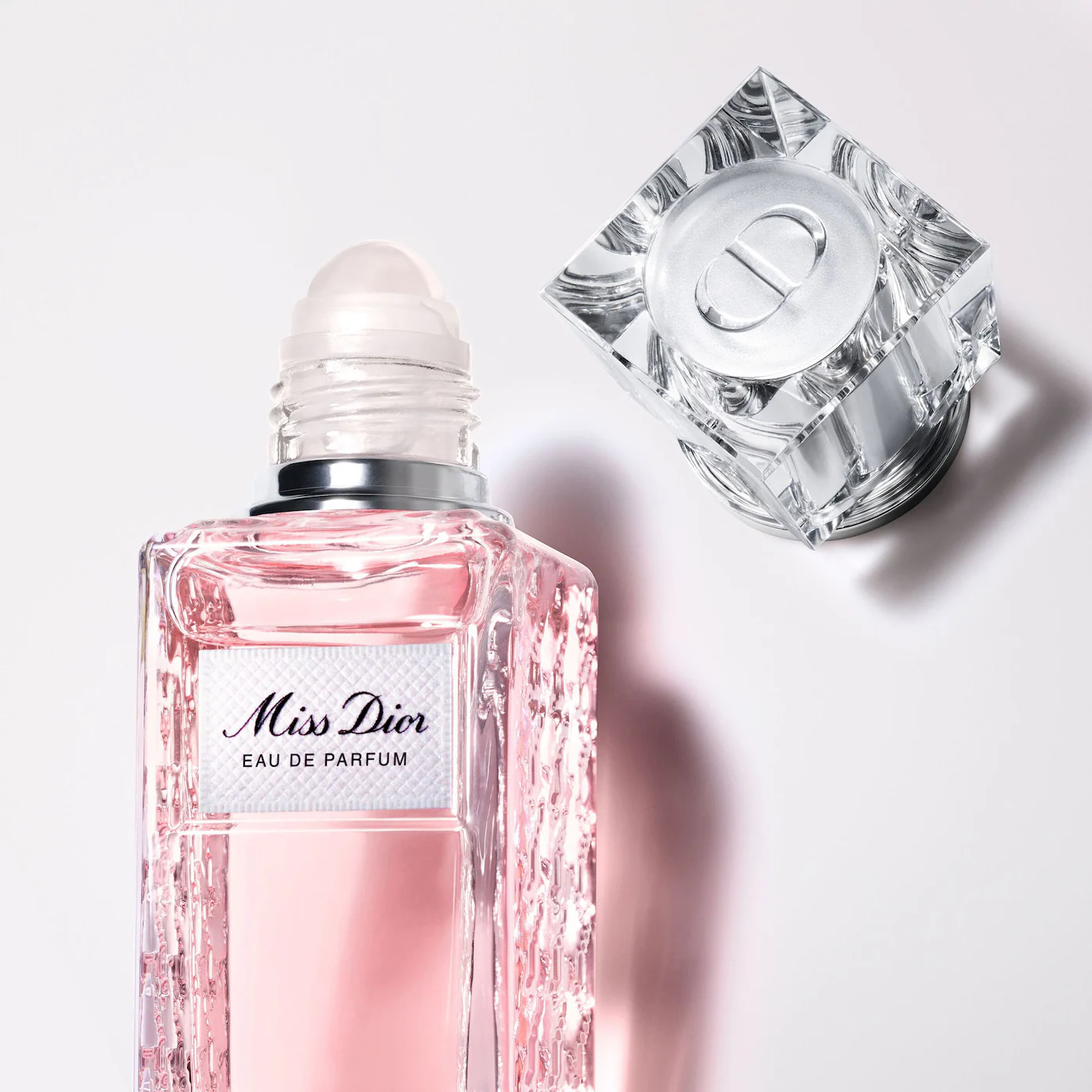
Miss Dior roll-on glass applicator
Spray and mist bottles span face mists, toners, and setting sprays. The pump mechanism matters as much as the bottle itself. Fine mist vs. stream output affects both application experience and formula compatibility, so spec them together. Browse glass spray bottles.
Airless glass bottles protect oxidation-sensitive formulas while keeping the aesthetic of glass. They cost more and require tighter filling tolerances, but for formulas where air exposure causes visible degradation, they're worth the investment. Browse glass airless bottles.
Glass Jars
The default for creams, balms, and masks. Anything requiring wide-mouth access for finger application. Sizes run from 15ml travel formats to 500ml.
The lid decision matters more than it's often given credit for. Metal lids in aluminum or tin read premium and are standard in prestige skincare. Plastic lids are lighter and lower cost but can undermine the quality signal of a glass jar if not carefully selected. Inner PP liners, the disc that sits between lid and product, are standard practice for an airtight seal. Don't skip them.
Specialty Formats
Vials and ampoules are growing fast in the serum concentrate and single-use treatment space. Key operational note: ampoules require specialized filling and sealing equipment. Confirm your contract manufacturer has the capability before committing to the format. This is a sourcing conversation to have early.
Roll-on bottles are used for eye treatments, facial serums, and targeted body applications. The metal roller ball, typically stainless steel, is a separate component. Source it alongside the bottle so fit and finish are evaluated together.
Glass Colors and Finishes
Choosing the Right Color
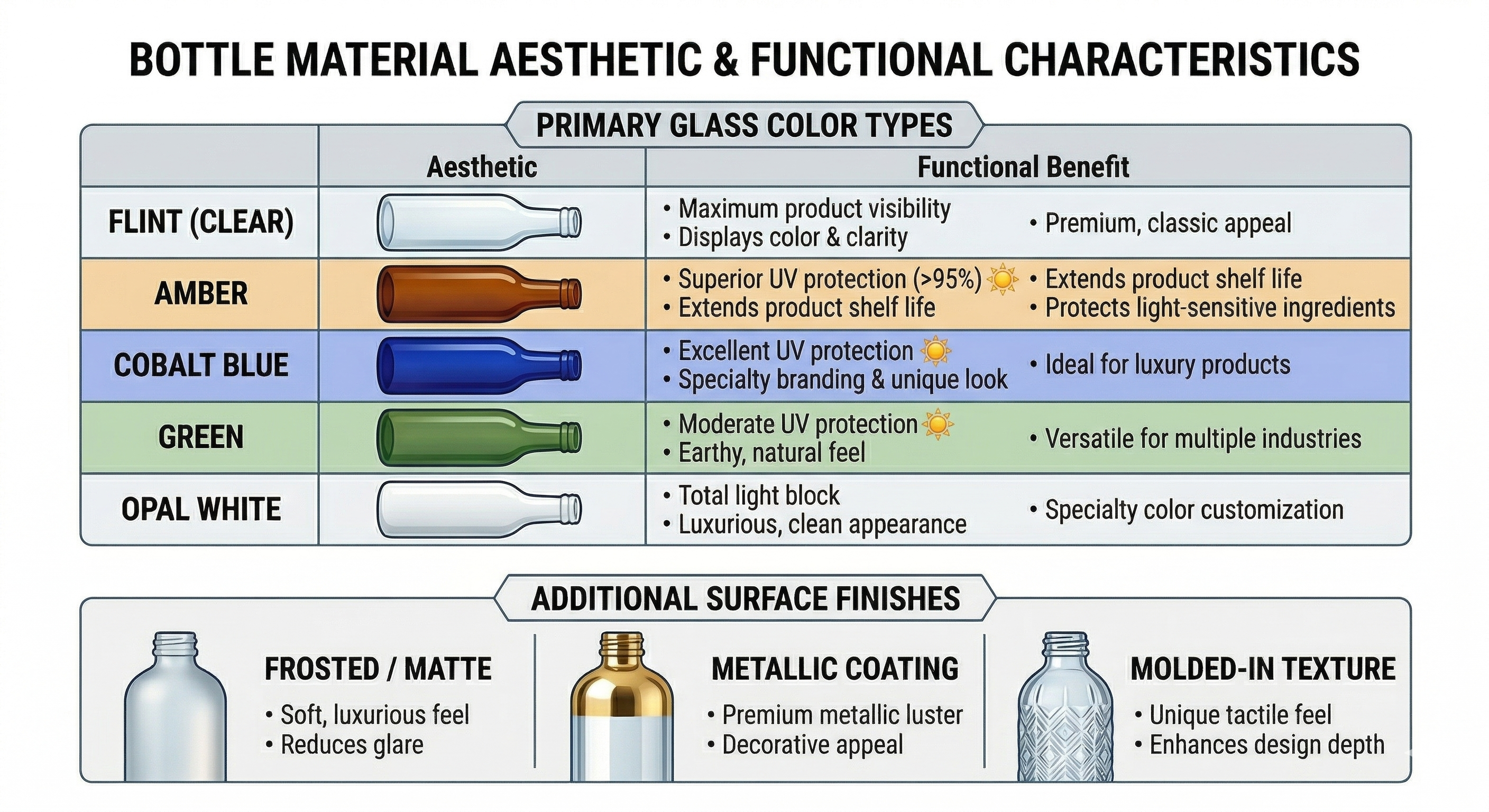
Flint (clear) is the default. Maximum product visibility, the widest supplier base, and compatible with every decoration technique. If there's no specific reason to go another color, start here.
Amber is the functional choice for UV-sensitive formulas. If your formula contains retinol, vitamin C, or any active that degrades with light exposure, amber glass protects it without relying solely on secondary packaging. It's not just an aesthetic call. It's a formula integrity decision.
Cobalt blue, green, and opal white are available but treated as specialty colors, meaning smaller production runs, a narrower supplier base, and typically a cost premium. They're brand positioning choices, not functional ones. Factor in the cost and lead time implications before committing.
Surface Finishes
Frosted/matte is applied after production through acid etching or sandblasting. It softens the visual, reduces fingerprinting, and reads premium in skincare. Common across the mid-to-high prestige tier.
Metallic and colored coatings add visual impact but carry a sustainability trade-off: coated glass is harder to recycle than uncoated. If recyclability is a brand pillar, flag this before the finish is locked.
Molded-in texture and embossing are built into the mold itself, not applied after production. That means they're decided at tooling stage and can't be changed without new molds. Nail the design before the mold is cut.
How are Glass Bottles and Jars Made?
You don't need to understand glassmaking to source it well. But a few fundamentals explain why lead times are what they are and what causes quality issues.
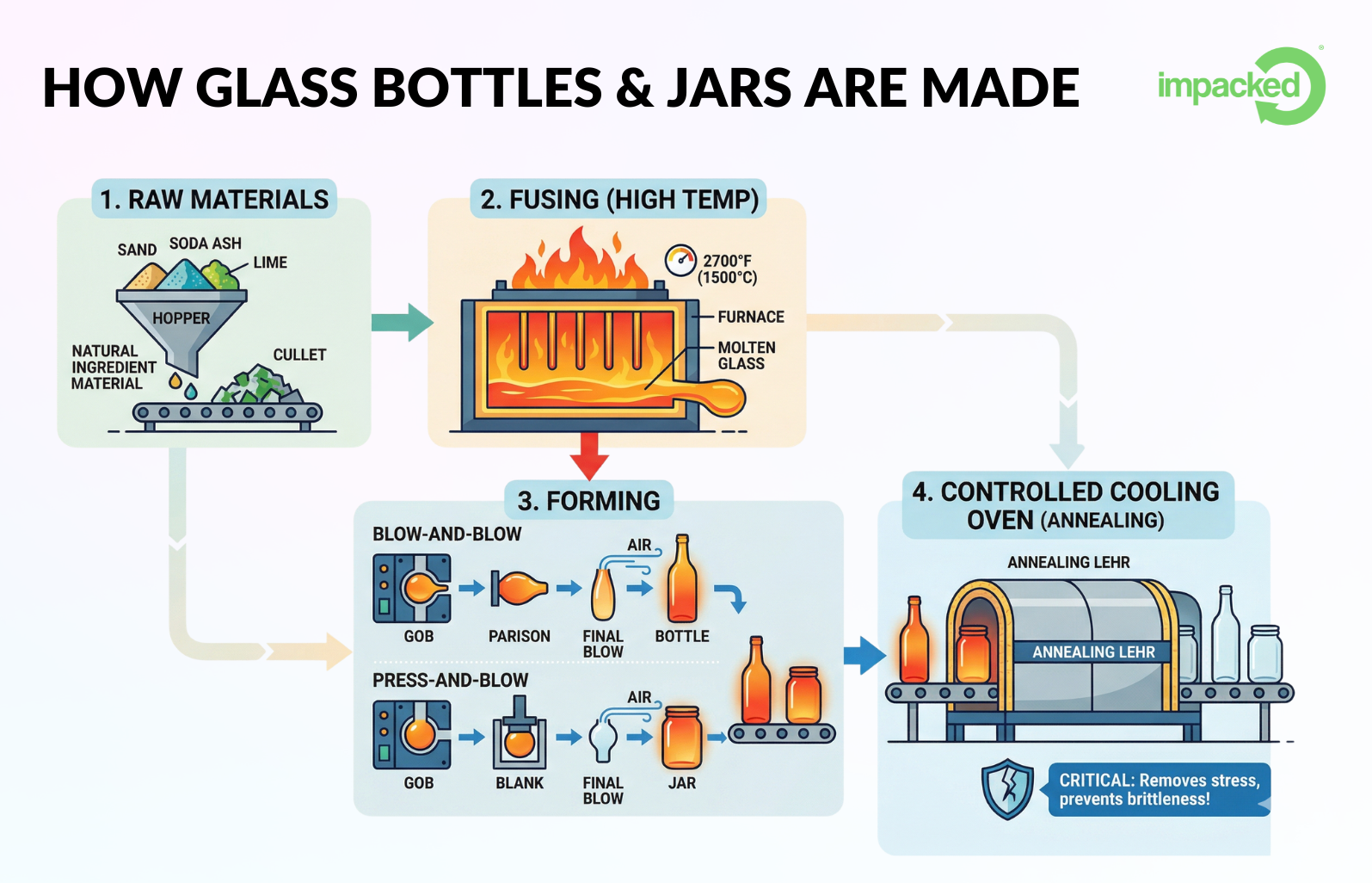
Glass is formed from raw materials fused at extremely high temperatures into molten glass, then cut into precise portions and blown or pressed into shape. Every bottle passes through a controlled cooling oven afterward. This step removes internal stresses that would otherwise make the glass brittle. Rush it, and you get breakage in transit and at fill.
The two forming processes you'll encounter: blow-and-blow for narrow-neck bottles, and press-and-blow for wide-mouth jars. The practical difference is wall thickness consistency. Press-and-blow gives better glass distribution, which is why it's the standard for jar formats.
What this means for your timeline: standard stock glass can often ship samples within days. Custom glass development runs in months. Color changes, new molds, and unusual shapes all require dedicated production runs. Plan accordingly.
Customization Options
Decoration
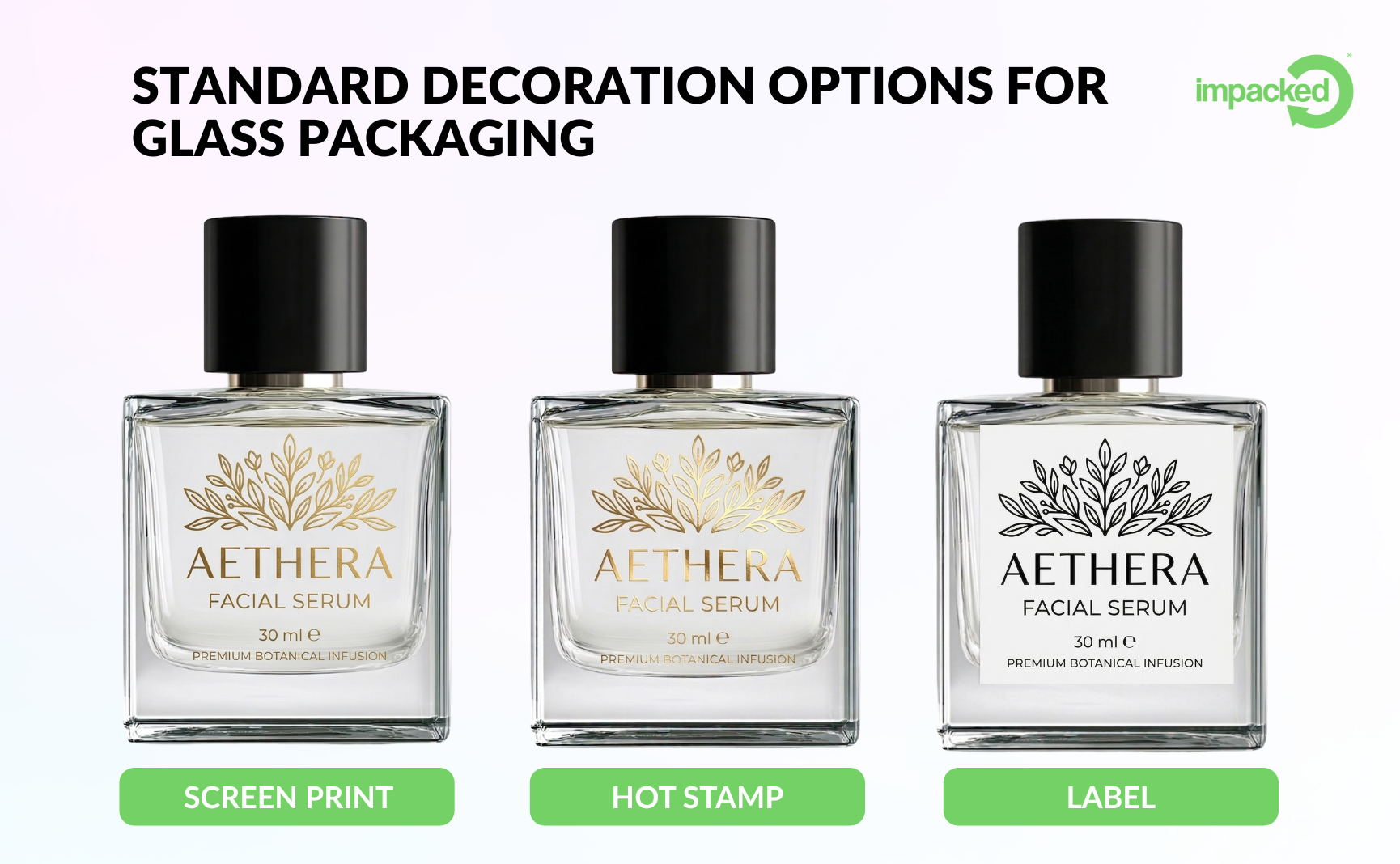
Screen printing applies ink directly to the glass. Durable, cost-effective, and available in multiple colors. The most common decoration method for skincare and body care glass.
Hot stamping transfers metallic foil under heat. It delivers a premium metallic finish without the cost of full metallization and is common in fragrance and prestige skincare.
Decals and labels allow for more complex multi-color designs than screen printing. Premium label stock and finishes like soft touch and foil elements can perform at a prestige level. Paper labels are the most flexible option but read lower-end unless the execution is deliberate.
Molded-in embossing is a mold-level decision. The brand mark or texture is built directly into the glass during forming. It's the most permanent and premium-feeling decoration option, and it can't be changed without cutting new tooling.
Custom Molds
Stock molds cover the majority of beauty formats and are the right answer for most emerging brands and lower-volume launches. Custom molds make sense when your bottle shape is a core brand asset and volume supports the tooling investment.
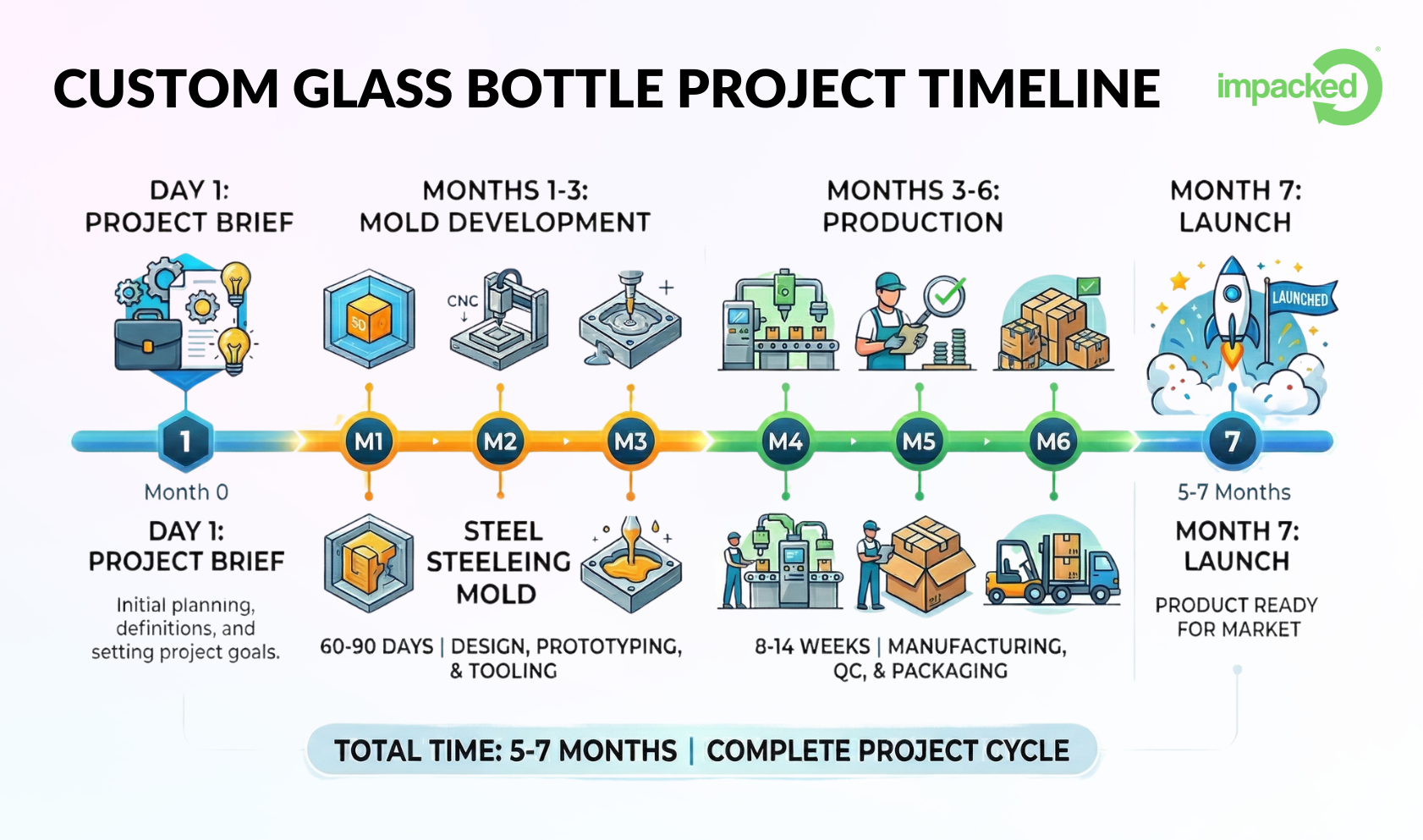
The timeline: design approval, then mold production, then pre-production samples, then production. Budget 60 to 90 days for mold development alone, not counting production lead time after that. MOQs for custom glass typically start at 5,000 to 10,000 units. Below that threshold, stock is almost always the right call.
Stock vs. Custom Molds: Quick Comparison
| Feature | Stock Molds | Custom Molds |
|---|---|---|
| Design Control | Limited to existing shapes and sizes in supplier catalogs | Full control over silhouette, dimensions, and proprietary details |
| Tooling Investment | None — use existing supplier tooling | $5,000–$50,000+ depending on complexity and region |
| Timeline | Samples in days; production in 4–8 weeks | 60–90 days for mold development, plus 8–14 weeks production |
| MOQs | 5,000–10,000 units decorated (Asia); higher in US/EU | 5,000–10,000+ units minimum to justify tooling |
| Ideal For | Emerging brands, lower volumes, tight timelines, cost-sensitive launches | Established brands where bottle shape is a core brand asset |
Sustainability and Glass
Glass is recyclable again and again without quality loss. In a landscape where recyclability claims come with increasing nuance and scrutiny, that's a genuinely defensible position.
But it comes with caveats worth understanding before you put it in a brand deck.
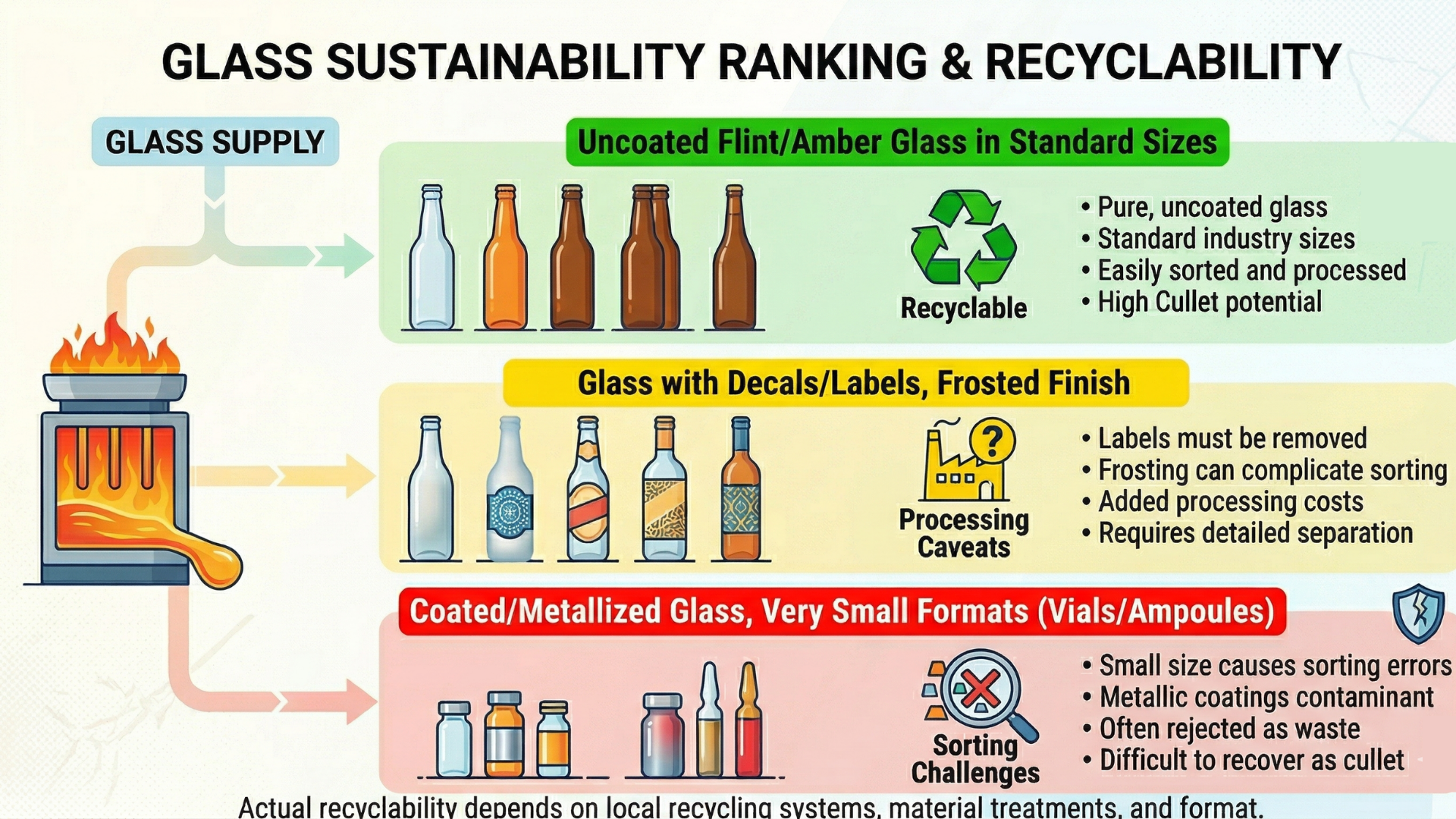
Coatings affect recyclability. Frosted glass and metallic or colored surface coatings can compromise recyclability depending on the infrastructure processing the material. Uncoated, undyed flint or amber glass is the cleanest story. The more decoration added, the more that story gets complicated.
Size matters too. Small glass components like vials and ampoules are often not recyclable in practice, not because of the material itself, but because they fall through sorting equipment at recycling facilities. The material is technically recyclable. The infrastructure doesn't always catch it.
What this means for brands: if recyclability is a core sustainability claim, spec accordingly. Uncoated formats in standard sizes with no metallic surface treatments give you the clearest, most defensible position. If you want frosted finishes or specialty coatings and you're also making recyclability claims, get clarity on your specific decoration process before the claim goes live.
Recycled glass content (PCR glass) is available and growing. Using recycled glass in production actually improves furnace efficiency, so it's operationally sound, not just a brand narrative.
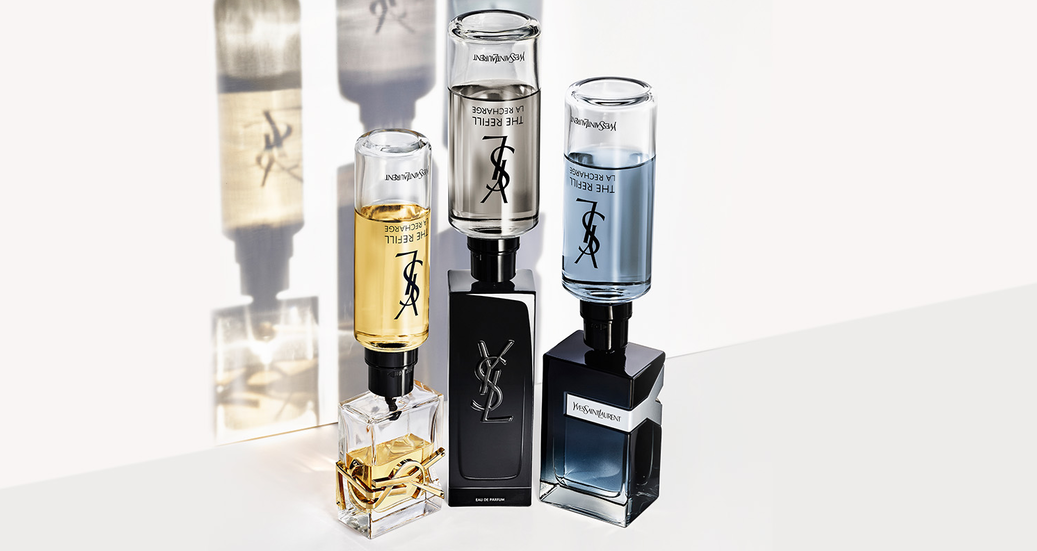
Refillable programs are the next frontier. Durable construction, a defined refill mechanism, and a DTC model changes the unit economics significantly over the product lifecycle. More brands are building refillability in at brief stage rather than retrofitting it later.
Sourcing Glass Packaging
Finding the Right Supplier
Stock glass distributors hold inventory across standard formats and can move fast on samples. The right choice when you're in development, working at lower volumes, or running against a tight timeline.
Custom glass manufacturers offer more design control, including bespoke shapes, proprietary colors, and tighter tolerances, but require longer lead times and higher MOQs.
Geography matters more in glass than in most other packaging categories.
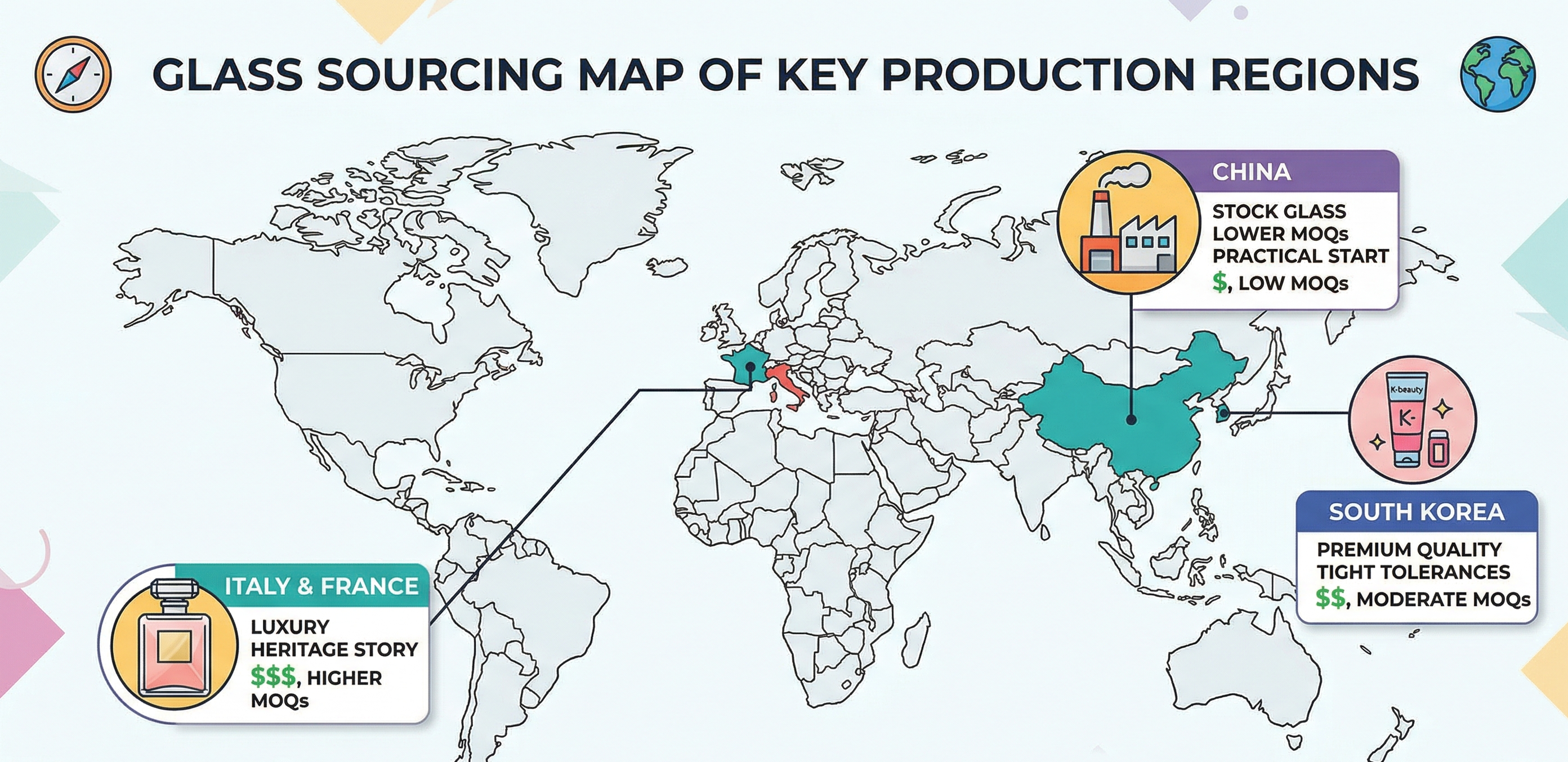
China dominates accessible stock glass at lower MOQs and price points. For most emerging brands and mid-market launches, Chinese glass manufacturers are the practical starting point.
South Korea is slightly more expensive than China but typically delivers a more premium result, with tighter tolerances, more refined finishes, and strong alignment with K-Beauty-influenced skincare aesthetics. If the quality step-up justifies the cost, it's worth the conversation.
Italy and France set the benchmark for luxury fragrance and prestige skincare. Higher unit costs, longer lead times, and stricter tolerances, but the quality standard and heritage positioning are in a different category from anything produced in Asia.
When evaluating any new glass supplier, the questions that matter: Do they specialize in cosmetic-grade glass? Is decoration done in-house or subcontracted? What does their sample program look like? What's their documented defect rate?
Compare glass packaging suppliers
MOQ and Pricing
Glass MOQs tend to run higher than plastic for made-to-order production, and it's worth understanding why. Glass is formed in continuous furnace runs. Each color, shape, and finish requires a dedicated production setup. You can't stop and start a furnace run the way you can a plastic injection mold. That physics drives minimum order requirements up.
Asian suppliers typically start at 5,000 to 10,000 units for stock mold with custom decoration. US and EU manufacturers tend to run significantly higher, at 30,000 to 50,000 units or more for the same stock mold, custom decoration scenario. Custom molds carry tooling investment on top of unit MOQ regardless of region.
Get unit pricing at multiple volume tiers. The per-unit cost drop at higher volumes is often significant enough to change the business case, and it's worth modeling against your launch forecast before the brief is locked.
Quality Control
What to Look for When Samples Arrive
Before approving production, evaluate samples against two categories of defects.
Structural issues should be rejected outright. Stones (unmelted particles visible in the glass), cracks, and internal glass threads joining opposite walls are integrity failures, not cosmetic variation.
Cosmetic variation should be evaluated against your brand standard. Tiny bubbles, mold seam visibility, and minor surface irregularities are inherent to glass manufacturing. The question is what tolerance your brand and retail channel will accept. Set that standard explicitly before production begins.
For a detailed breakdown of common defects and how to catch them, see our article on packaging pitfalls for glass jars and bottles.
What to Put in Your Supplier Brief
Establish your AQL (Acceptable Quality Level), the agreed defect rate threshold, in your supplier agreement before production, not after. Reputable suppliers will expect this conversation.
Other brief essentials: dimensional tolerances for height, diameter, and finish thread; decoration registration accuracy; and packaging requirements for transit. Glass that passes production inspection can still arrive damaged if inner packing isn't specified correctly.
Glass Packaging by Product Type
Fragrance
Custom bottle design is a core brand asset in fragrance. The bottle is often the first reason someone picks it up. Heavy-base construction reads luxury, and the weight is intentional. The atomizer, cap, and collar are all sourced separately and assembled post-fill. Evaluate them as a system, not as individual components.
Browse glass perfume bottles | Request perfume bottle quotes
Prestige Skincare and Serums
Dropper bottles for serums, jars for creams. Amber for light-sensitive actives, flint where product visibility matters. For formulas with significant oxidation sensitivity, airless is worth the cost premium. Metal lids with PP inner liners are the quality baseline for jars.
Browse dropper bottles | Compare glass bottle suppliers
Body Care
The category is premiumizing, and glass is following. Body oils, serums, and treatment formats at the upper tier are increasingly moving to glass. Build the weight and shipping cost into your landed cost model from the start. It changes the margin math more than most teams expect when they first make the switch from plastic.
Common Questions
What is the minimum order quantity (MOQ) for glass cosmetic packaging?
The MOQ for glass cosmetic packaging ranges from 1,000 to 50,000 units depending on supplier region and customization level. Stock glass from Asian suppliers starts at 1,000 to 3,000 units for undecorated formats. Decorated stock molds require 5,000 to 10,000 units from Asia, and 30,000 to 50,000 units from US and EU manufacturers. Custom molds add tooling costs on top of unit minimums.
How long does custom glass packaging take to manufacture?
Custom glass packaging takes 5 to 7 months from design to delivery. Mold development requires 60 to 90 days, followed by 8 to 14 weeks for production. Stock glass with decoration ships faster, typically 4 to 8 weeks from order confirmation.
Is glass packaging better than plastic for cosmetics?
Glass packaging is better than plastic for premium cosmetics, sensitive formulas, and sustainability-focused brands. Glass is chemically inert, protects light-sensitive ingredients like retinol and vitamin C, and is 100% recyclable without quality loss. Plastic is better for products requiring lightweight packaging, lower costs, or shatter resistance for e-commerce and travel.
What type of glass is best for skincare products?
Amber glass is best for skincare products with light-sensitive active ingredients because it blocks UV rays that degrade retinol, vitamin C, and other actives. Clear flint glass is best when product color or texture is a visual selling point. Frosted glass adds a premium aesthetic and reduces fingerprinting.
Can I order glass packaging samples before committing to production?
Yes, reputable glass packaging suppliers offer samples before production orders. Stock formats typically ship samples within days. For custom molds, request pre-production samples and approve them before authorizing full production, as changes after production starts are costly and slow.
What certifications should glass cosmetic packaging have?
Glass cosmetic packaging should have ISO 9001 certification as a baseline for quality management. For EU distribution, suppliers must comply with EU packaging directives. Request documentation upfront; established manufacturers provide this readily.
For more answers, see our glass packaging FAQ.
Ready to source glass packaging?
Glass packaging decisions made at brief stage are hard to reverse once production is in motion. Color, finish, mold, and decoration are all set before a single unit is filled. The brands that get this right treat sourcing as a design decision, not a procurement exercise.
Explore glass packaging components
Browse all →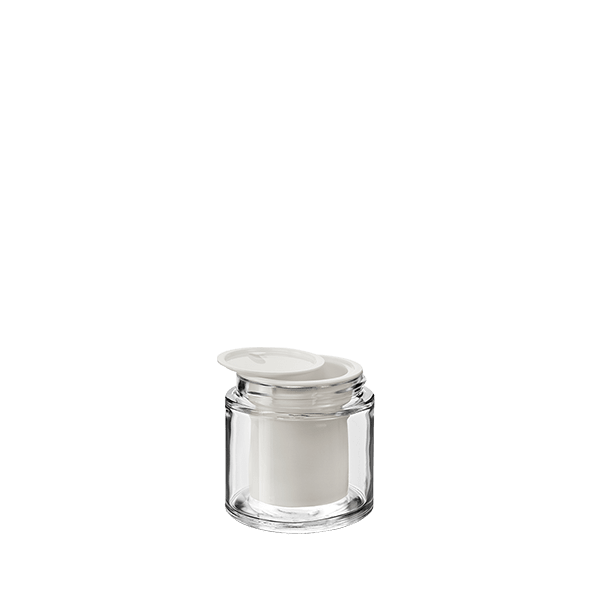
3.3oz/96ml 58-400 Glass Straight Sided Jar
See full specs →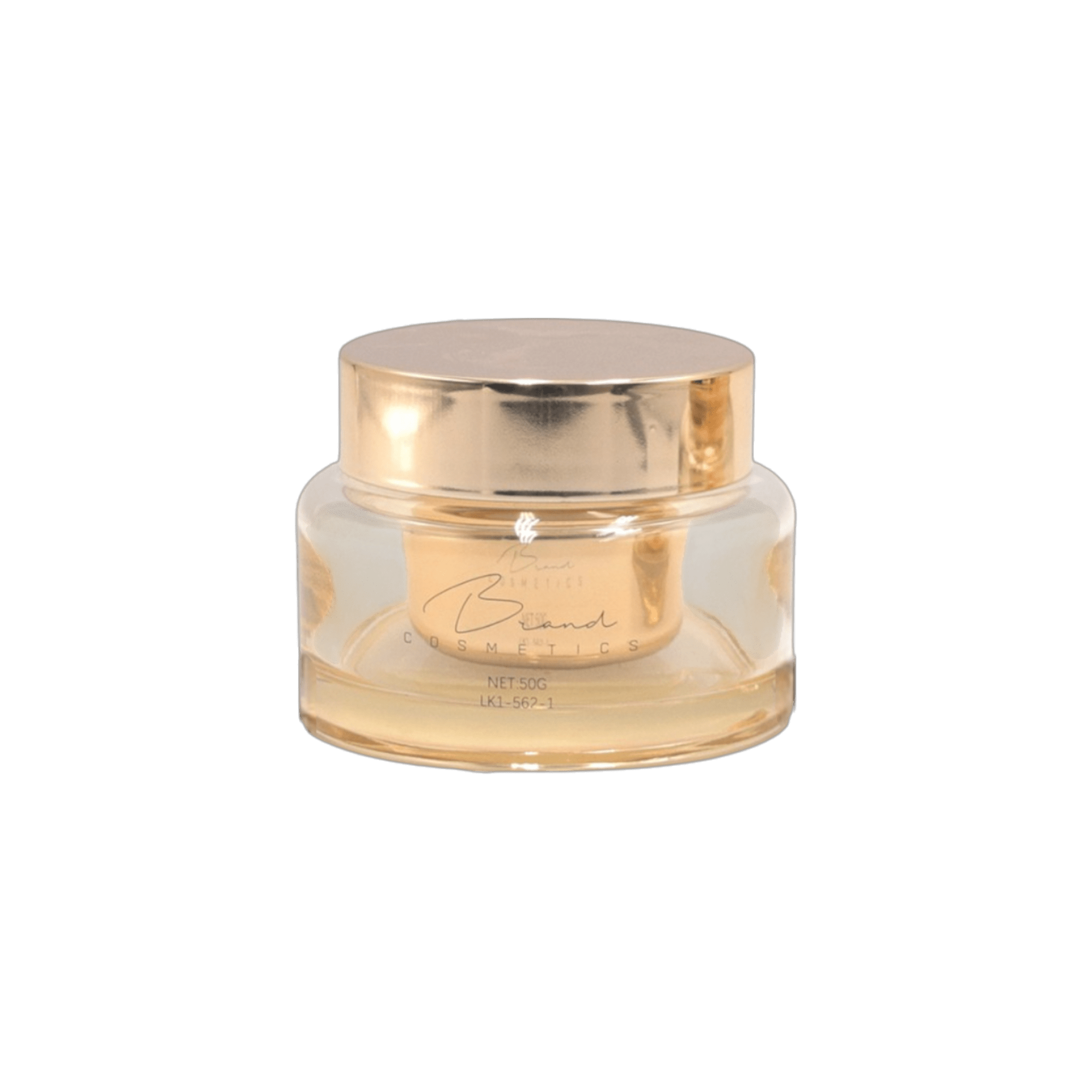
Refillable 1.7oz/50ml Glass Round Jar with Straight Sided Closure
See full specs →
1.0oz/30ml Glass Skin-Up Pump Bottle with Woodacity Cap
See full specs →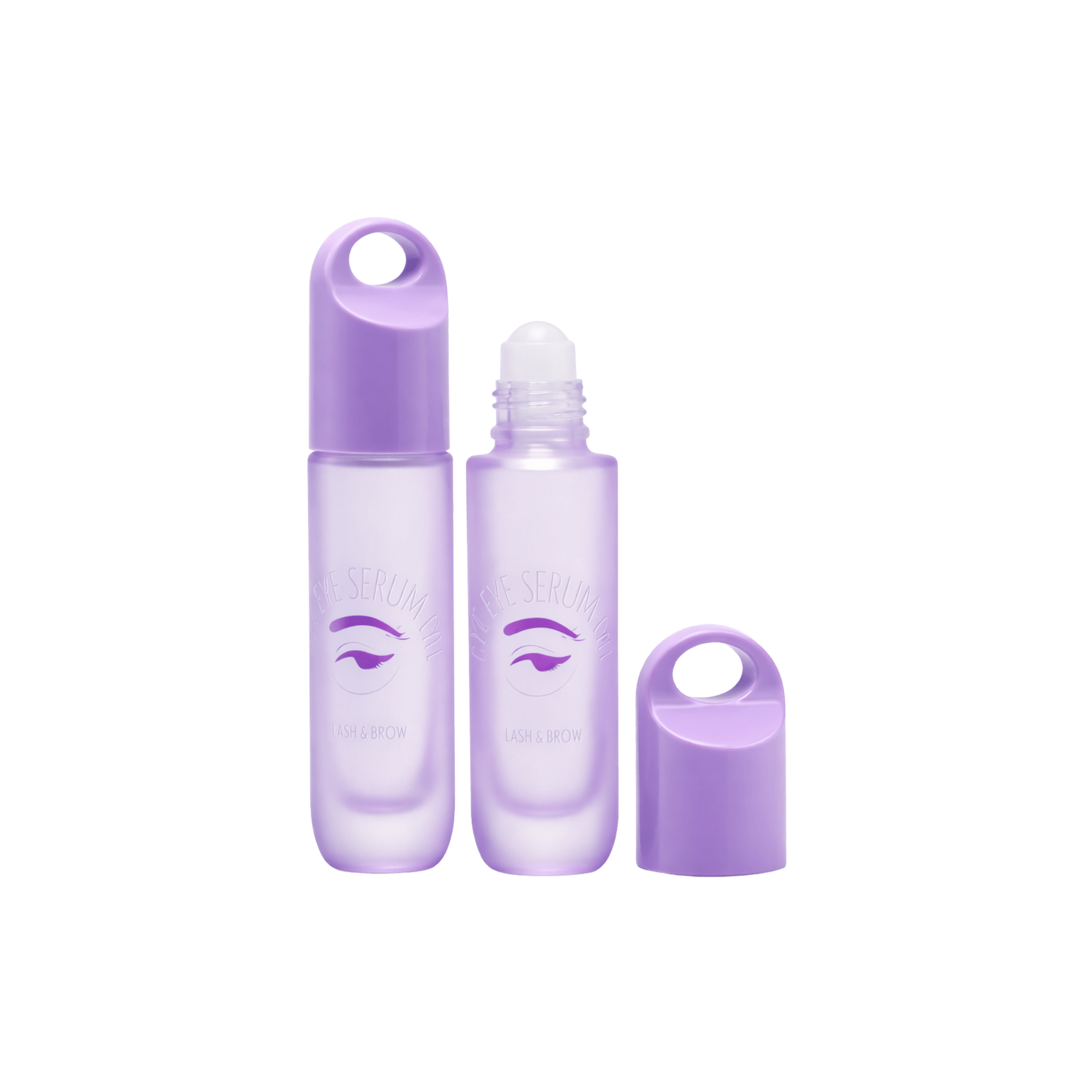
0.3oz/10ml Glass Roller Bottle with Keychain Overcap
See full specs →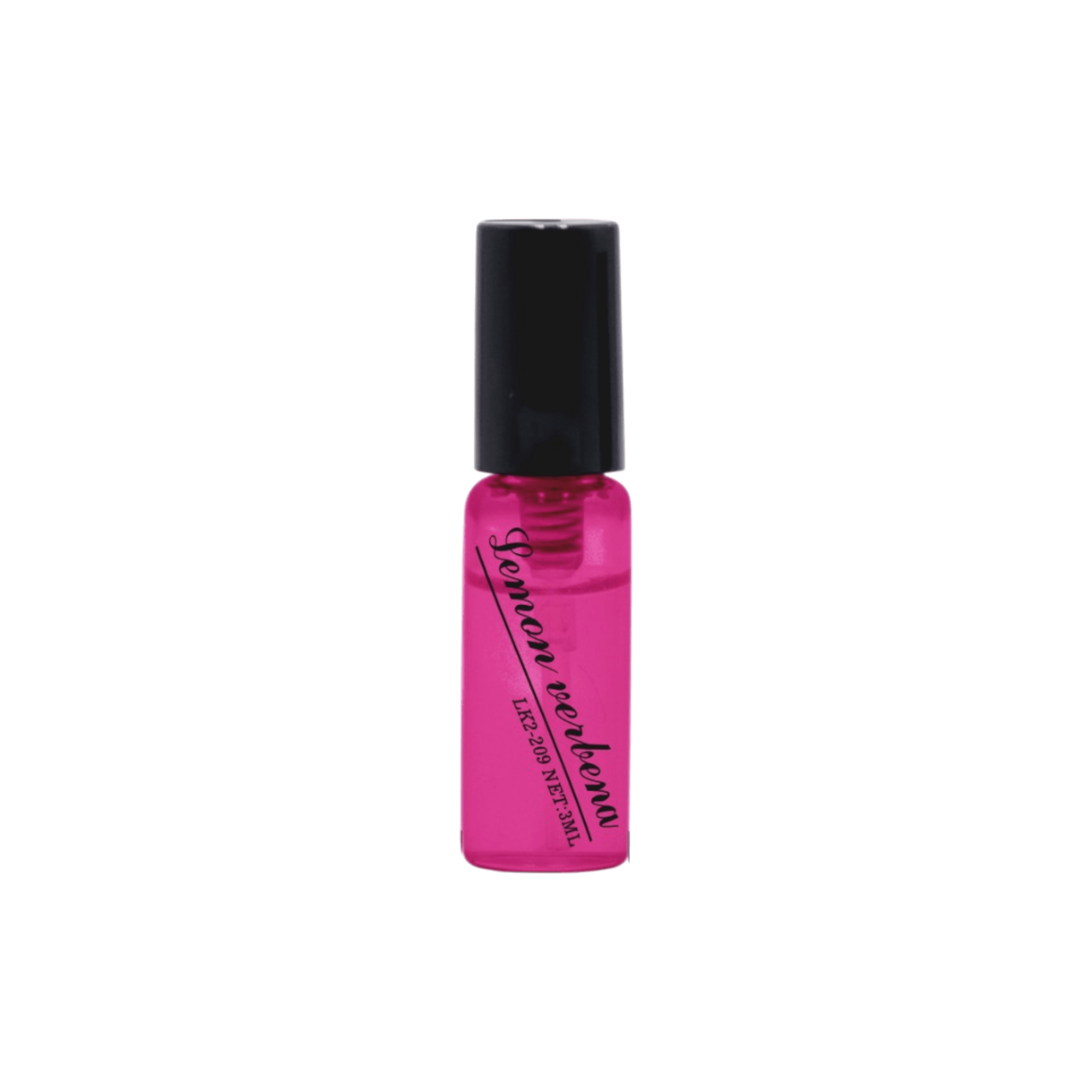
1.0oz/30ml Glass Dropper Bottle
See full specs →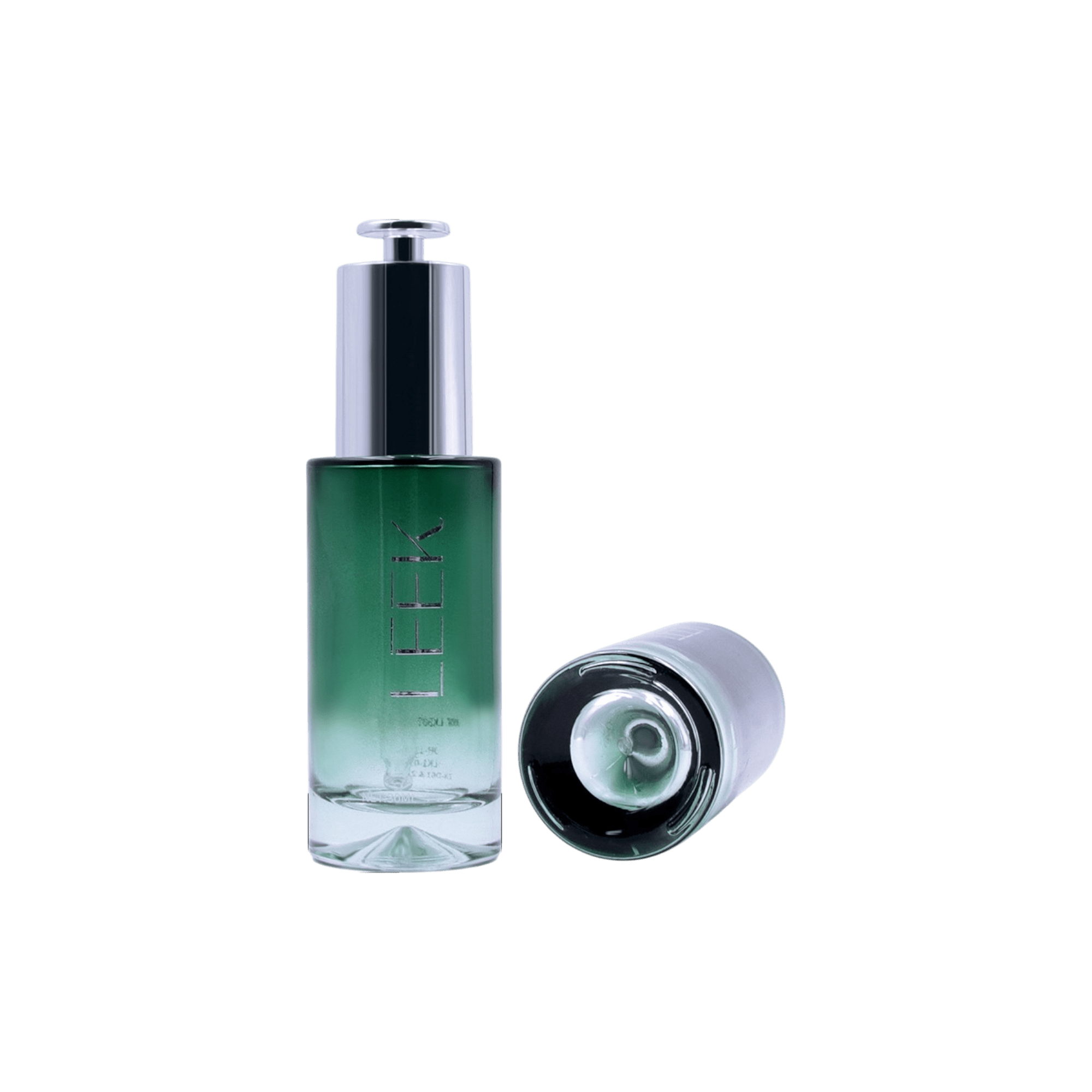
3.4oz/100ml Glass Perfume Bottle with Spray Pump
See full specs →Impacked's supplier network includes verified glass manufacturers across China, South Korea, and Europe with confirmed MOQs and sample availability. Browse glass bottles, glass jars, and perfume packaging, or connect with the concierge team if you're working to a custom specification or need help shortlisting suppliers against a brief.