No packaging is child-proof. That term doesn’t exist in regulation. What does exist is Child-Resistant—a legally defined, rigorously tested standard that requires a package to be significantly difficult for children under 5 to open. The distinction matters, and not just semantically. Brands that get this wrong face real liability. Brands that get it right build something more durable: consumer trust.
Sourcing CR closures for your product line?
Browse child-resistant closures on Impacked →
The Child-Proof Myth
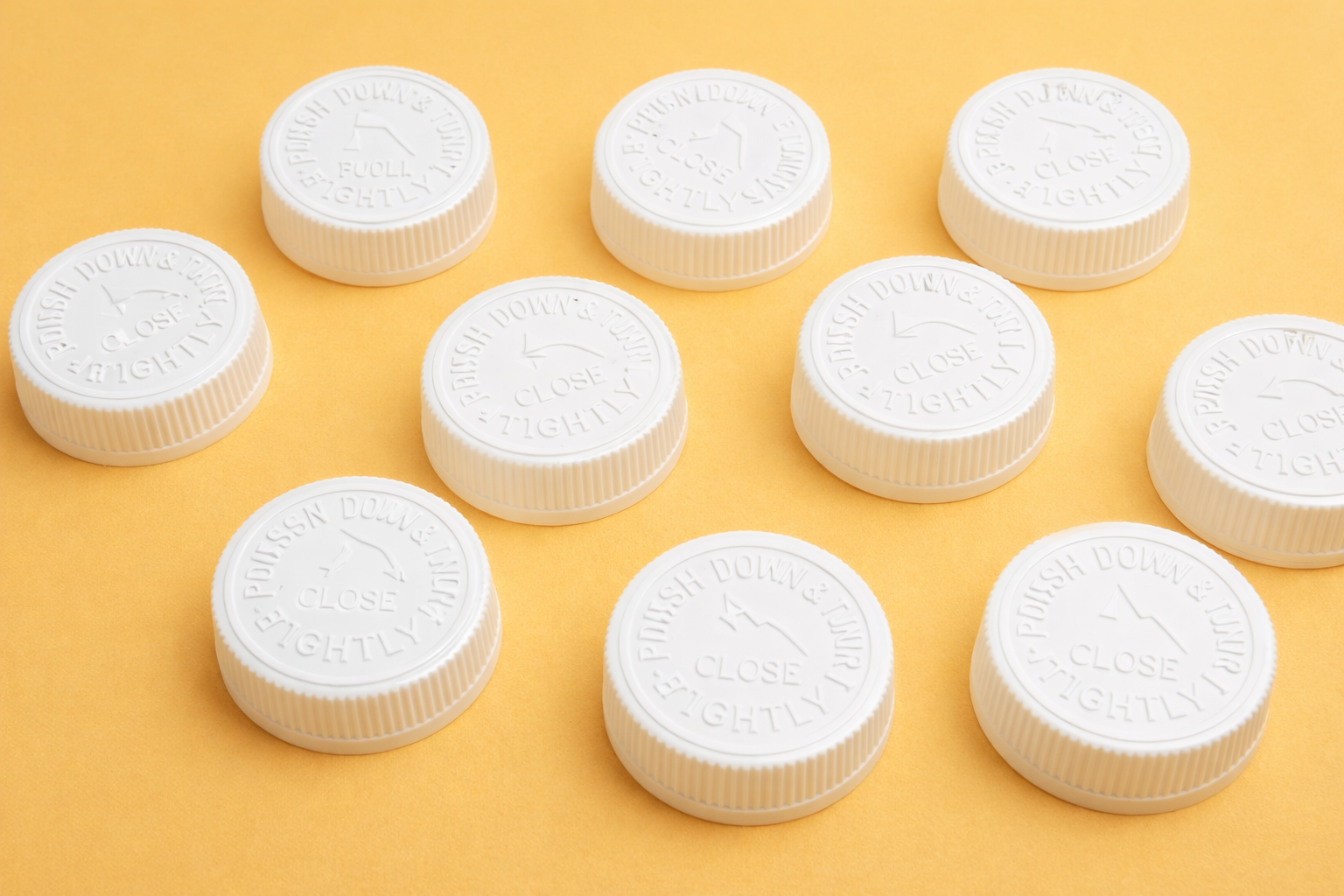
The industry stopped using “child-proof” for a reason. It implies a guarantee that no packaging can deliver. Every child-resistant package is designed to slow access—not stop it permanently. The PPPA (Poison Prevention Packaging Act) requires a package to resist opening by at least 80% of children aged 42–51 months within a 5- or 10-minute window. That’s the standard. A child who gets in eventually hasn’t broken the system. The system worked as designed.
The distinction shapes how brands should communicate on-pack and in marketing. “Child-resistant” is the compliant term. It sets accurate expectations. And it reminds users that the cap is never a substitute for a locked cabinet.
CR Mechanism Comparison
Not all CR caps work the same way—and the mechanism matters for both regulatory compliance and user experience. Here’s how the three most common types compare:
| Cap Type | How It Works | Best For | Senior Accessibility |
|---|---|---|---|
| Push & Turn | Requires simultaneous downward pressure and rotation to engage the inner mechanism | Solid tablets, capsules, dry supplements | Moderate — requires grip strength and coordination |
| Squeeze & Turn | Side compression disengages a locking tab, allowing rotation | Liquids, syrups, oils — lower torque required | Higher — single lateral motion, easier for reduced grip |
| Snap-On (CR Snap) | Two-piece design requiring specific alignment to open; resists direct pull | OTC products, cannabis packaging, chemical containers | Variable — depends on alignment complexity |

Mechanism selection is a formulation and format decision, not just a compliance checkbox. A push-and-turn cap on a high-viscosity liquid can create enough friction to frustrate adults—which creates its own liability. Match the closure to the product.
The Three Pillars of Safety Packaging
CR packaging is one part of a broader safety architecture. Three terms define the space—and they’re not interchangeable.
Child-Resistant (CR) addresses access. The closure is engineered to be significantly difficult for children under 5 to open within a defined timeframe. It’s about who can get in.
Tamper-Evident (TE) addresses status. Induction seals, shrink bands, and breakaway rings show whether a package has been opened since leaving the factory. It’s about whether anyone already has.
Child-Proof is neither. It’s a marketing term with no regulatory definition. No package achieves it. Using the term creates consumer expectations that packaging cannot legally support.
A cap can be both CR and TE simultaneously—the mechanisms serve separate functions and don’t interfere. Many pharmaceutical and cannabis closures are engineered for both. But combining features doesn’t blur the definitions. Each addresses a distinct failure mode.
PPPA Compliance and the Panel Test
The Poison Prevention Packaging Act of 1970 established the federal framework for child-resistant packaging in the US. Enforced by the Consumer Product Safety Commission (CPSC), it mandates CR packaging for a defined list of substances—including aspirin, iron supplements, prescription drugs, and specific household chemicals.
Compliance isn’t self-certified. A closure design must pass a standardized protocol before it can be labeled CR:
The Child Panel: 200 children aged 42–51 months attempt to open the package. Two test phases—one with verbal instruction, one without—measure success rates. To pass, no more than 20% of children can access the contents in each phase.
The Adult Panel: 100 adults aged 50–70 must achieve a 90% success rate in opening and re-securing the package within five minutes. The PPPA is explicit: CR packaging must remain accessible to the adults who need it. A closure that seniors can’t reliably open fails compliance on a different axis.
The 42–51 month window is deliberate. Children in this range have the greatest combination of manual dexterity and problem-solving persistence. Designs that pass this cohort hold up across the broader under-5 population.
Why the Cap Decision Is a Business Decision
Three things are at stake when you specify a closure for a regulated product.
Legal exposure. Failure to use a CR closure for PPPA-mandated substances—aspirin, iron, certain OTC medications—creates direct liability with the CPSC and FDA. Penalties run into the millions. More importantly, a non-compliant package that reaches a child is a harm event, not just a regulatory one.
Consumer trust. A cap that works correctly is invisible. A cap that breaks, strips, or requires two adults and a butter knife generates reviews that compound. CR closures that balance child resistance with adult usability don’t just meet compliance—they protect the post-purchase experience.
Product integrity. CR caps typically deliver higher torque and compression than standard closures. That translates directly to better moisture and oxidation resistance—extending shelf life and protecting formulation quality. The safety spec and the preservation spec often point to the same closure.
Need help selecting the right closure?
Explore child-resistant closures on Impacked or browse bottles and jars to find compatible packaging.
Safety at a Glance
Child-Resistant: Significantly difficult for children under 5 to open within a defined timeframe. A legal standard under the PPPA. Required for specific substances.
Tamper-Evident: Proves the package hasn’t been opened since manufacture. Distinct from CR—addresses whether it’s been accessed, not who can access it.
Child-Proof: Not a regulatory category. No package qualifies. Avoid using the term in product claims or marketing.
CR + TE Together: Possible and common in pharma and cannabis. Dual-function closures exist. The features serve different purposes—combining them doesn’t change what each one means.
The First Line of Defense: It’s not the cap. It’s the cabinet. CR packaging slows access. Secure storage eliminates the risk.
Frequently Asked Questions
Are child-resistant caps actually “child-proof”?
No. The industry avoids the term “child-proof” because no packaging meets that standard. Regulations require that a package be significantly difficult for children under 5 to open within a specific timeframe—usually 5 or 10 minutes—while remaining accessible to adults. “Significantly difficult” is not the same as “impossible.”
How do I open a stuck push-and-turn cap?
If the cap spins without catching, the inner grooves aren’t engaging. Place the bottle on a hard surface, apply firm downward pressure with your palm, and turn slowly. If sticky residue is the issue—common with syrups or supplements—run the cap under warm water for 30 seconds to break down the buildup before trying again.
Are child-resistant caps recyclable?
Most CR caps are made of Polypropylene (PP / Plastic #5). The material is recyclable, but many local programs don’t process small caps. Check with your local provider. For prescription packaging specifically, look for Prescription Take-Back programs designed to handle medical packaging.
What is the senior-friendly requirement under the PPPA?
CR packaging must also be adult-accessible. A panel of adults aged 50–70 is tested to ensure 90% can open and re-secure the package within five minutes. A closure that children can’t get into but seniors can’t open either fails on both ends of the standard.
Safety Is a System
The cap is the last line of defense. The first should always be a locked cabinet, a high shelf, or a storage location out of a child’s reach entirely. CR packaging creates time and friction—it doesn’t eliminate risk. Brands and consumers need to treat it as one component of a safety system, not the whole system.
For manufacturers: closure selection is a compliance decision, a liability decision, and a user-experience decision simultaneously. Getting it right means understanding which substances require CR under the PPPA, which closure mechanism fits your format and formulation, and whether your senior accessibility data supports the design you’ve chosen.
Sourcing closures for a regulated product? Let’s talk.